Built from the Ground Up
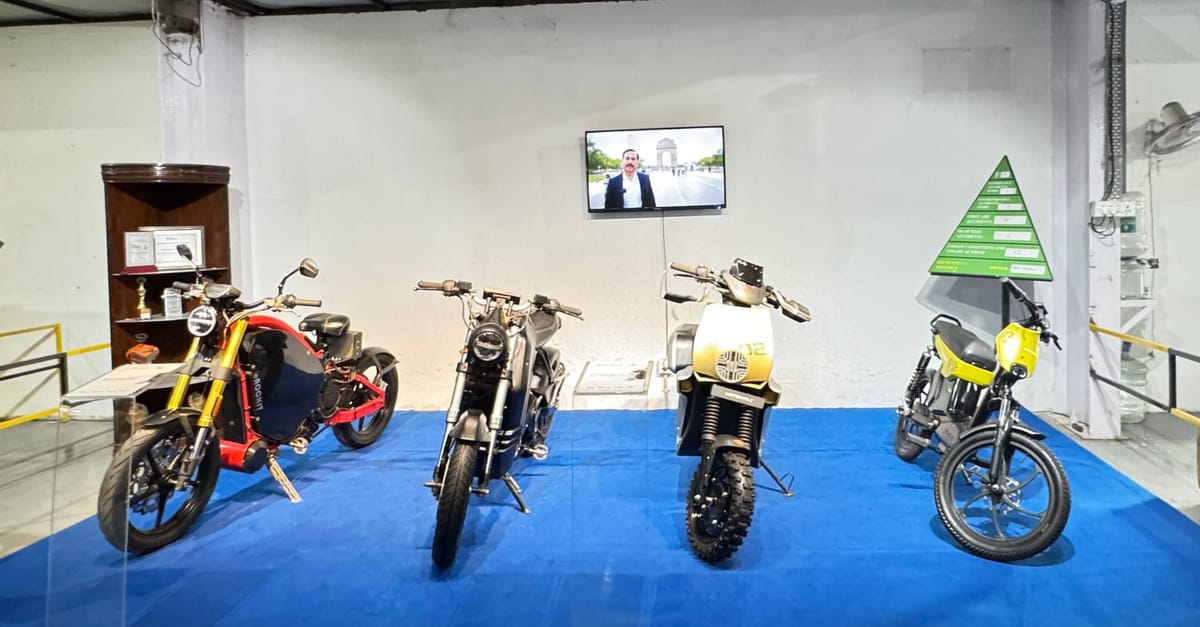
The Motovolt story of how a battery chemist from Kolkata plans for India's two-wheeler commercial EV future
Tushar Choudhary did not set out to build an electric vehicle company. For two decades, he worked in the family business, Carbon Chemical, one of Asia's largest and globally recognised players in battery materials. He travelled regularly to China, Japan, and Korea, studying cell chemistry, supply chains, and the rapid electrification transforming transport across East Asia. But somewhere along the way, the question shifted. Instead of selling materials to the companies building the future, why not build it himself?
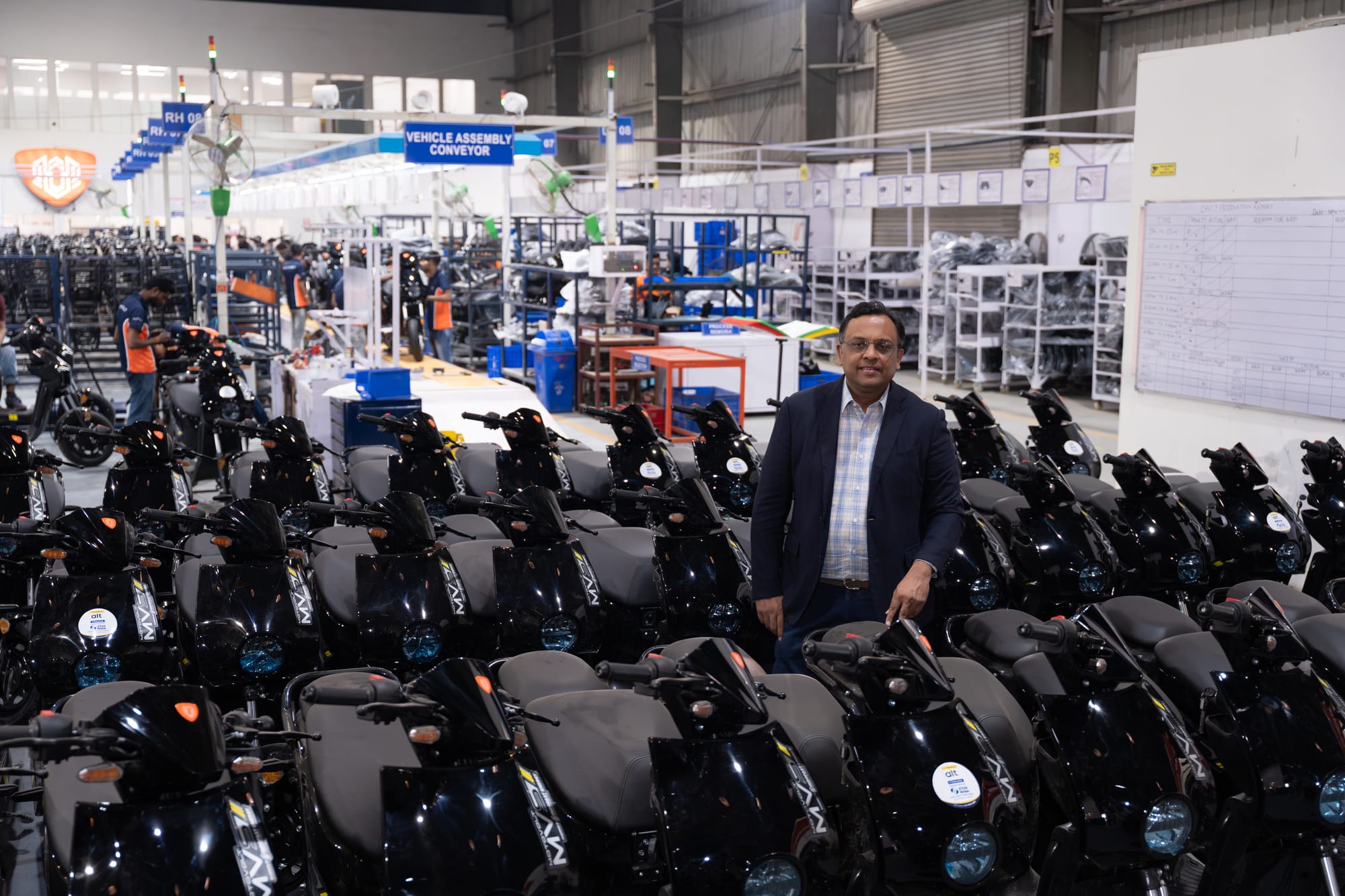
"Battery was our strength," Choudhary says. "And when you look at an EV, 50% of the cost and the technology lies on the battery side. That was one of the reasons. The other was what we saw happening in China: 35 million electric two-wheelers sold every year, 200 million on the road. India, we felt, was just at the starting point. The momentum was just catching up."
In 2020, Choudhary and his family formally launched Motovolt Mobility in Kolkata. It was not an obvious choice of city. Kolkata carries the weight of a reputation shaped by political perception and the shadow of Tata's Nano plant relocation. But Choudhary saw something different: a massive consumer market at the centre of Eastern India, a gateway to the northeastern states, competitive costs, and a workforce that, contrary to popular belief, has given the company zero union trouble. "It's all about how you see it from our side. We are very comfortable," he says. "We have a decent workforce. No unions anywhere. No disturbance."
The first three years were spent almost entirely on product development. Two years for design engineering, one year for field trials, testing vehicles in Himalayan cold, Delhi's extreme heat, and the rough terrain of India's heartland. "As soon as you expose the vehicle to very high temperatures, the batteries, the controllers, the electronics inside start getting weird," Choudhary recalls. "So we did a lot of field trials. We improved. We tested again. EV commercial as a category is difficult to make if you don't do a lot of field trials."
It was a deliberate choice to invest in the core technology before chasing revenue. "What other startups do is they go all out, spending on marketing, social media, branding, trying to raise capital. We said no. We wanted to prove to ourselves first, create the technology and the product. Now, when we are ready, it is basically for the growth stage."
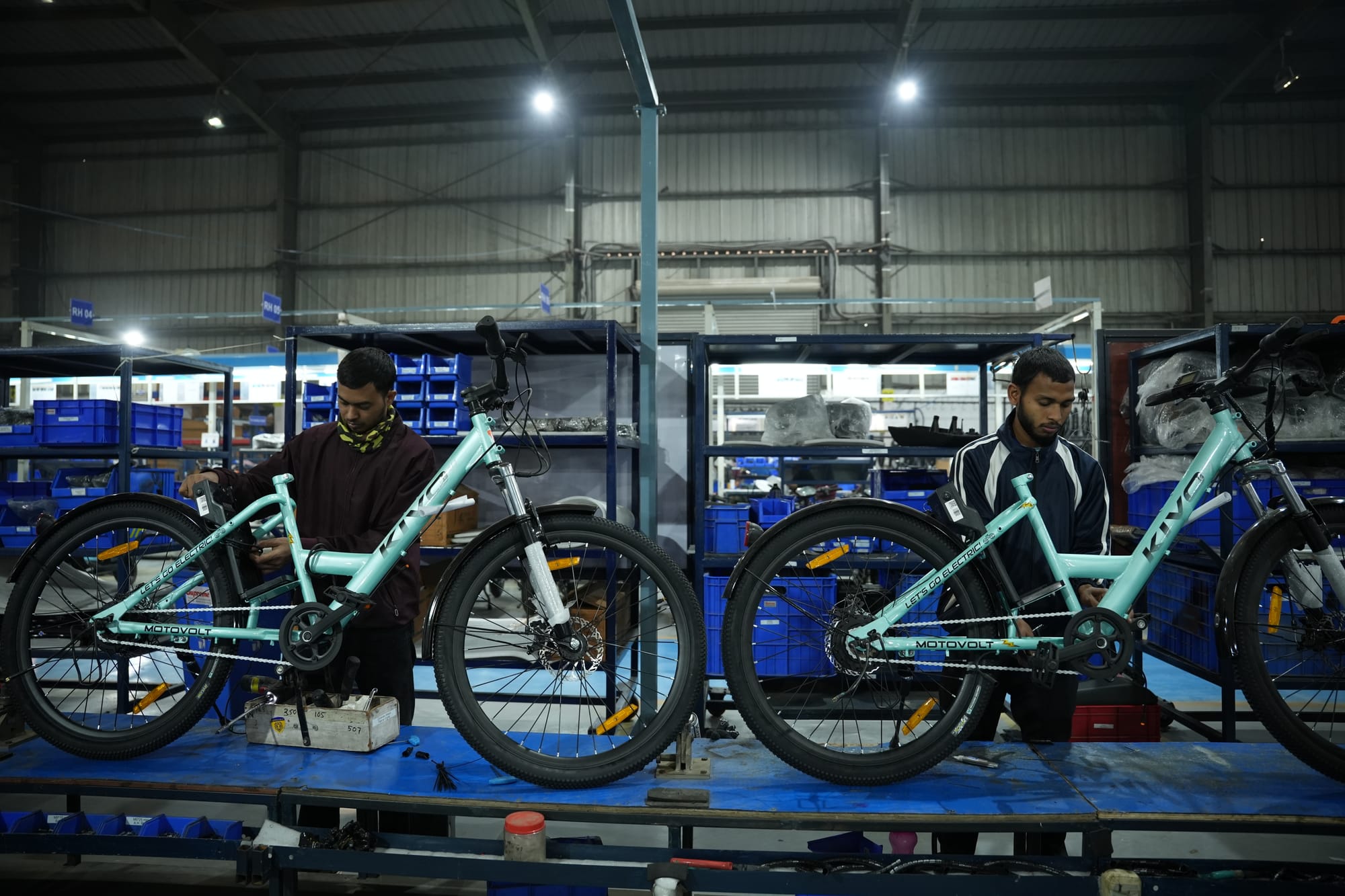
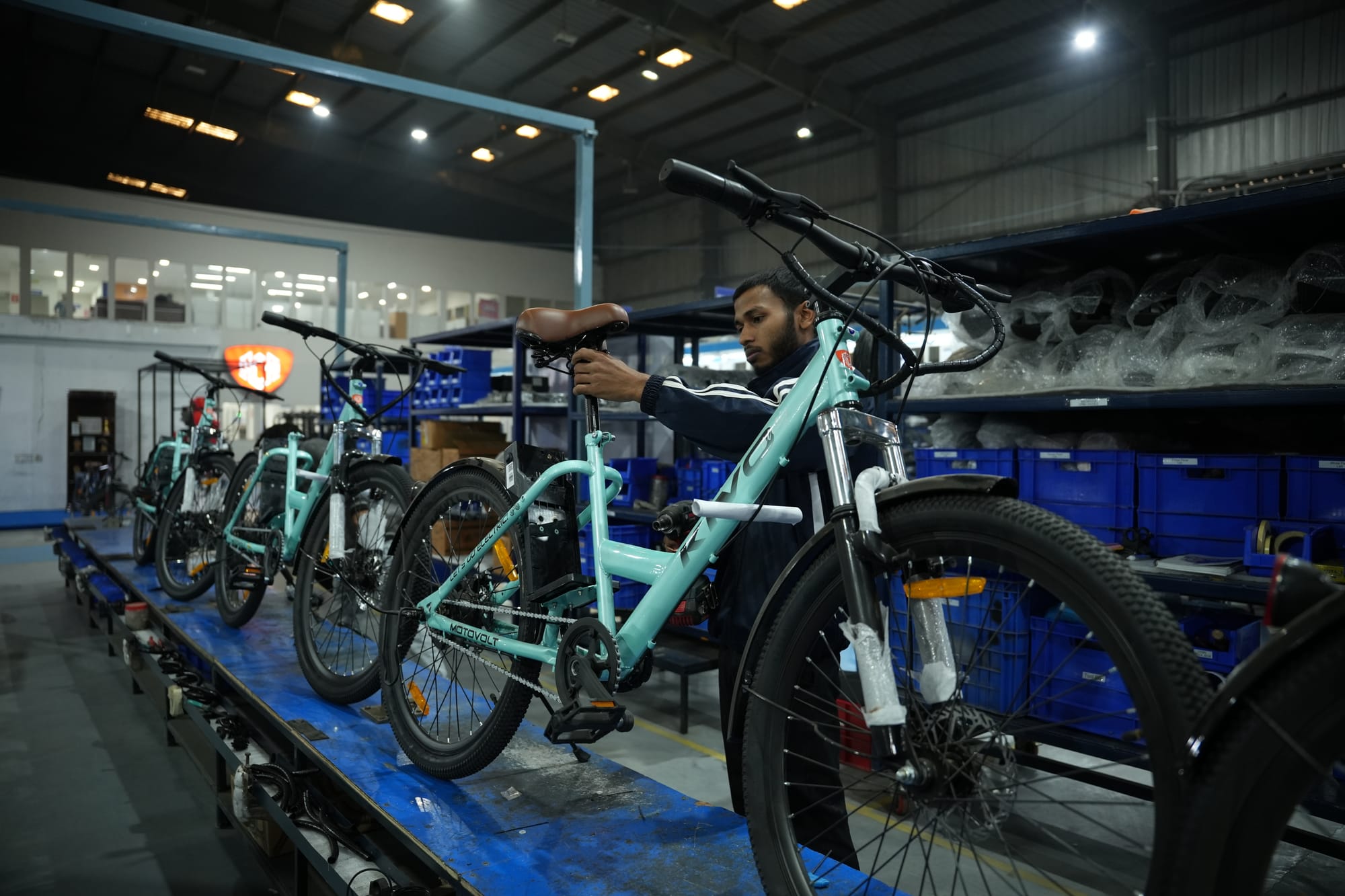
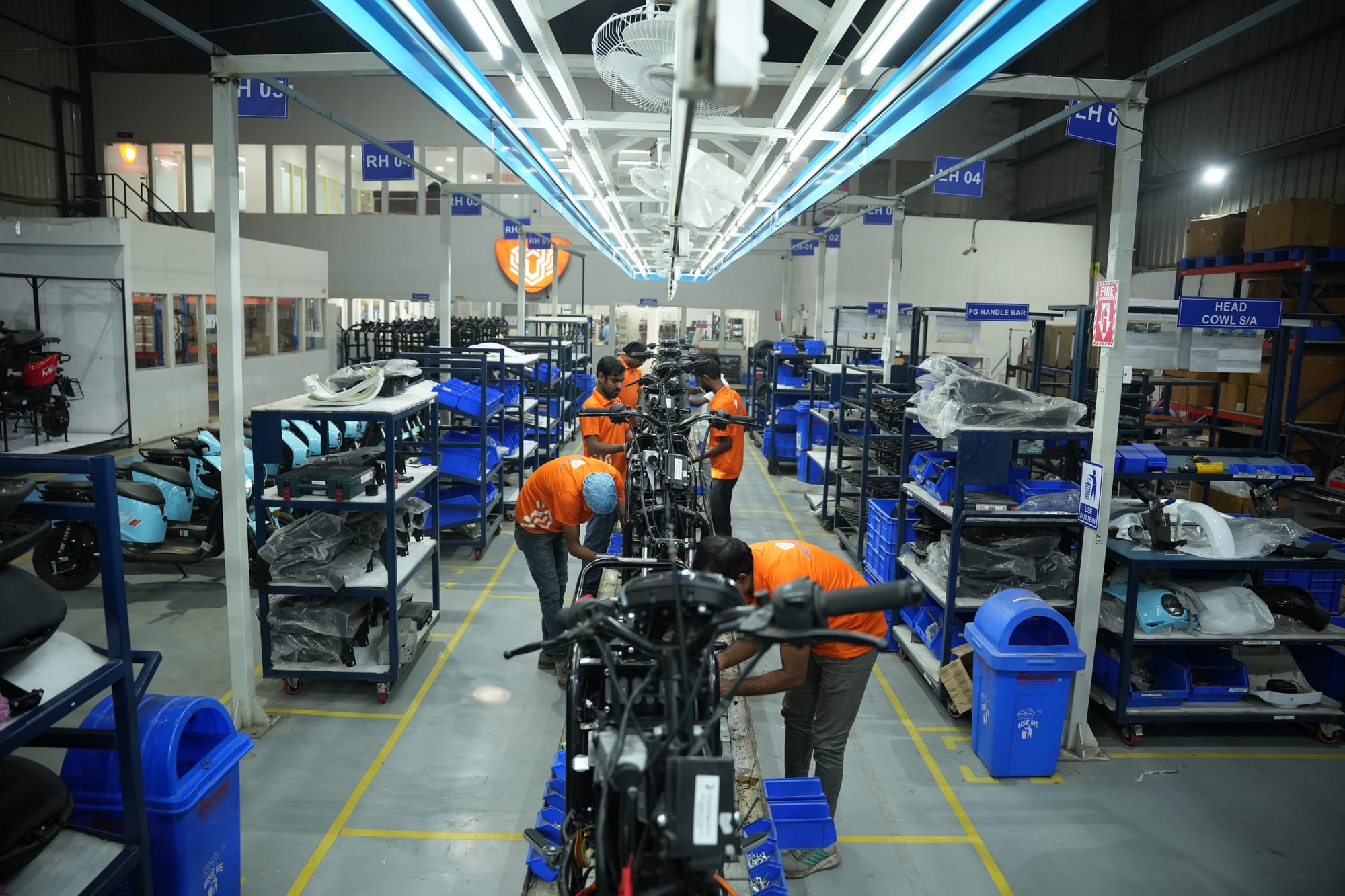
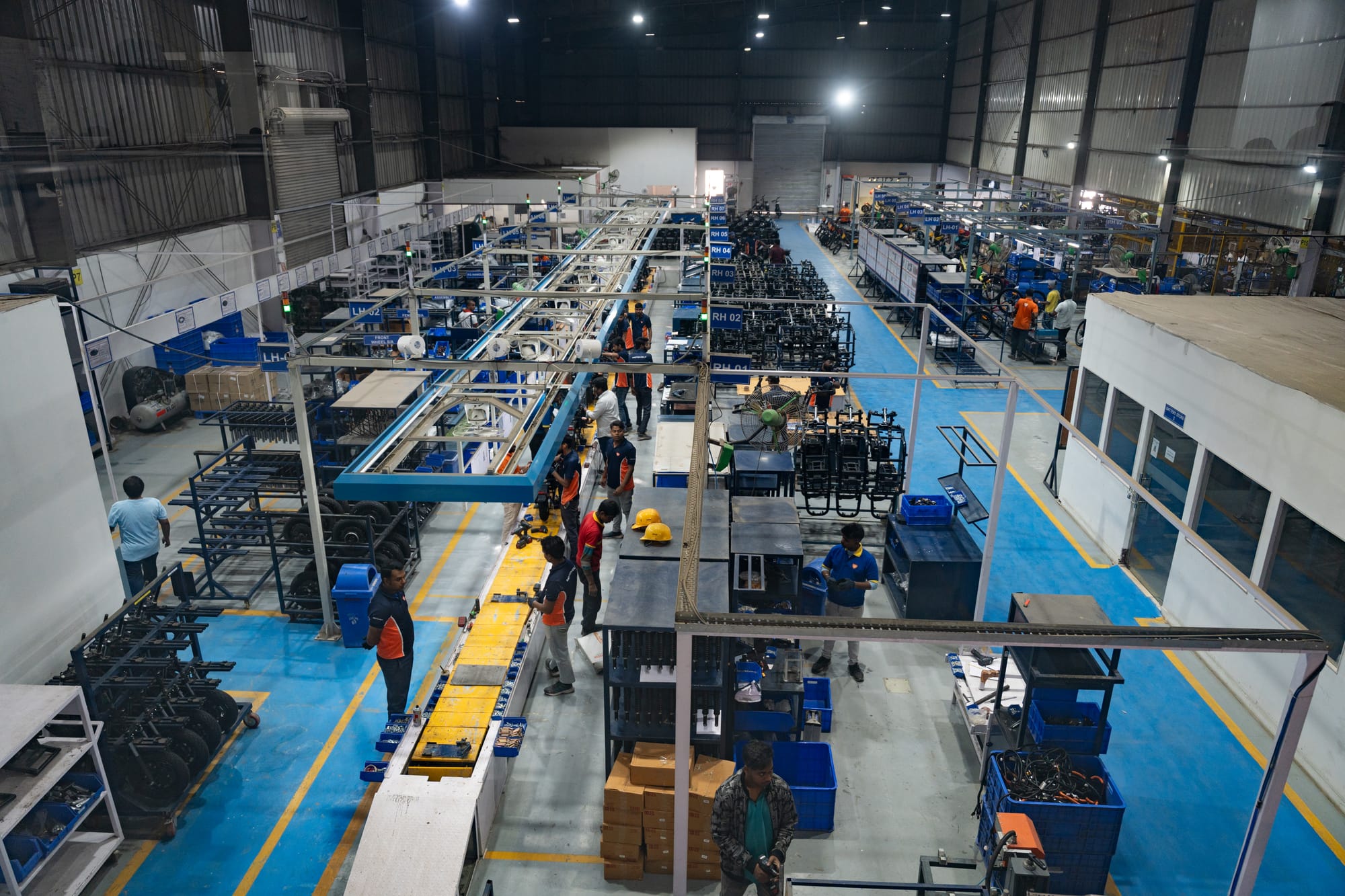
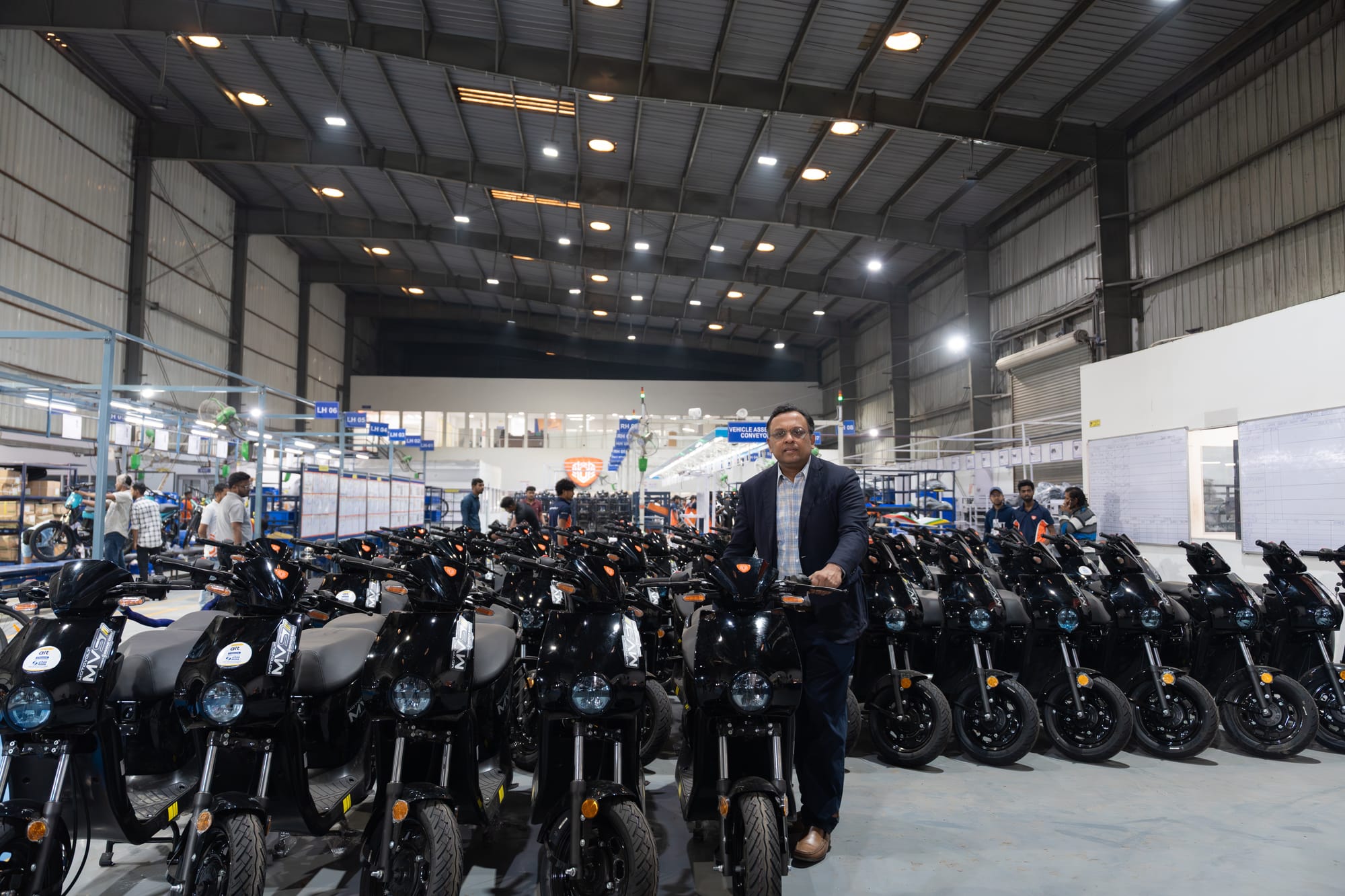
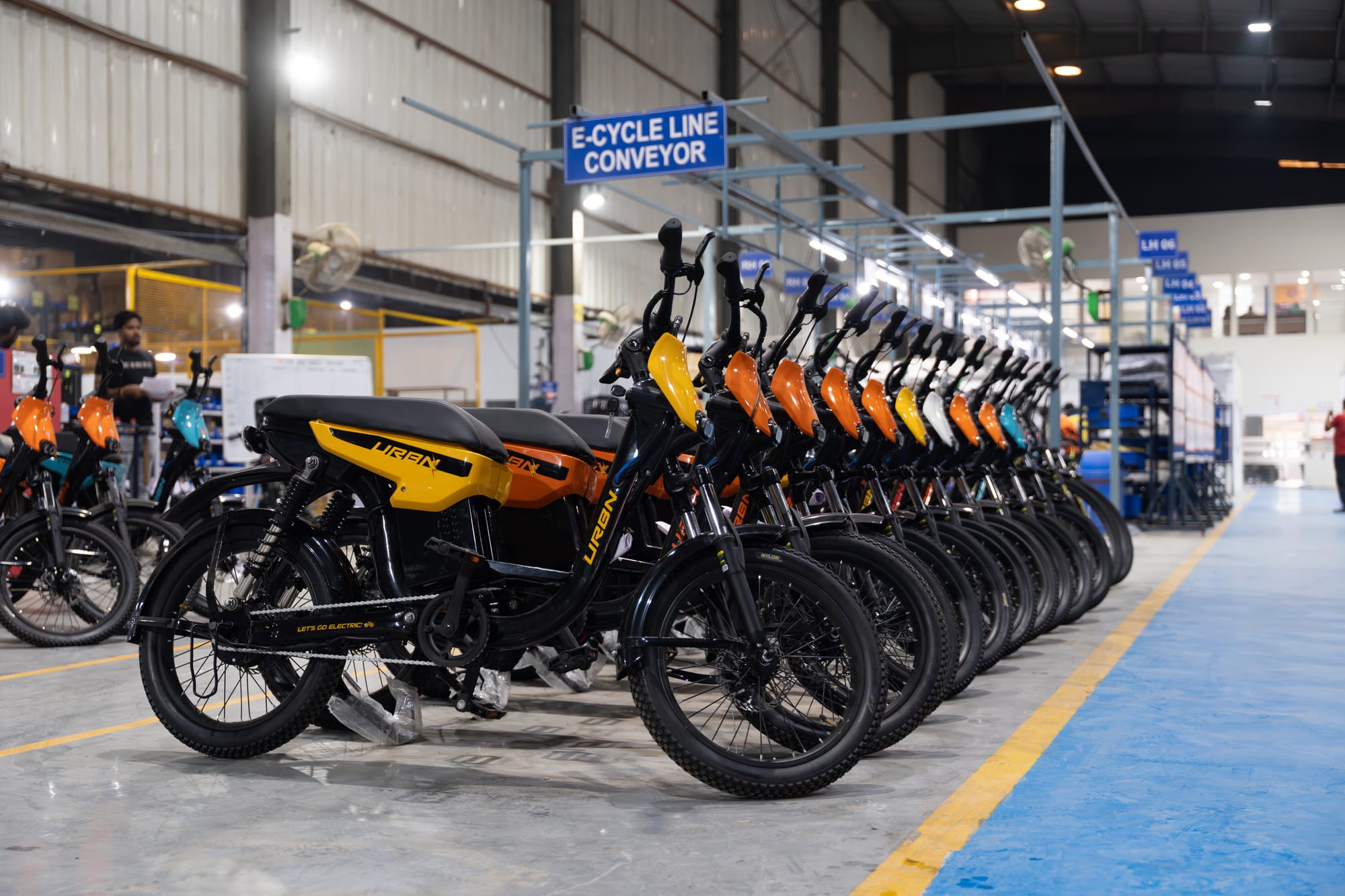
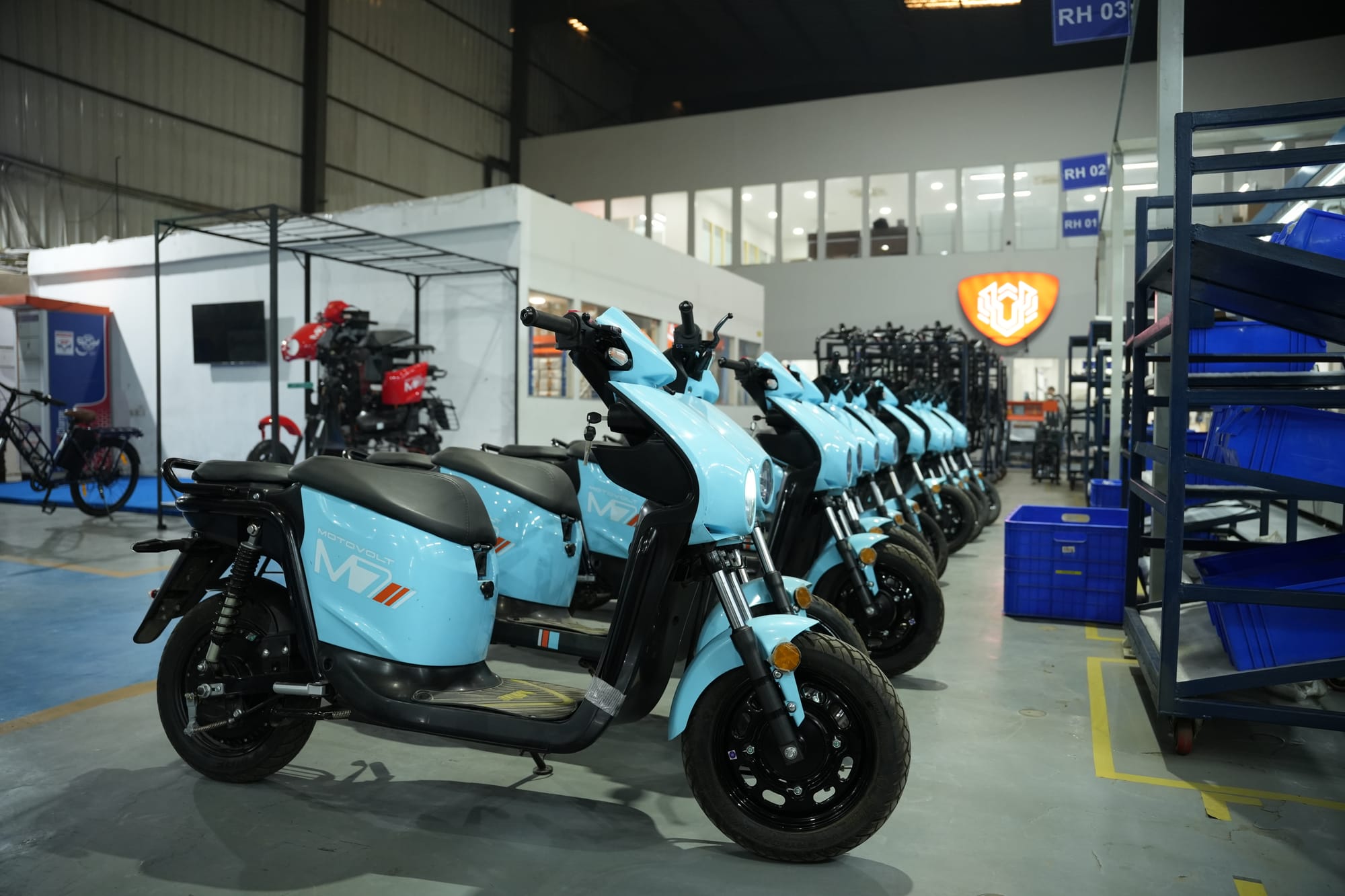
The family invested over INR 200 crore of its own money. They sold their stake in the chemical business in 2023 to focus entirely on Motovolt. There was no Series A, no venture capital safety net. Just conviction. "First, you have to believe in yourself and what you are doing," Choudhary says simply.
What emerged was something no other Indian company had built: a full-stack EV commercial two-wheeler OEM. Motovolt designs its own battery packs, manufactures its own motor controllers through a partnership with Swedish firm VESC, and engineers its vehicles in-house with talent recruited from Mahindra, TVS, and Bajaj. "Full stack means you have the design capabilities in-house to make the complete vehicle. Our motor, our battery, our power electronics, plus we design vehicles as per the market requirement. That is the main thing."
The market requirement, as Choudhary sees it, is not the urban consumer shopping for a lifestyle scooter. It is the delivery rider clocking 150 kilometres a day. The gig worker whose vehicle is his livelihood. The rural woman who cannot afford an INR 60,000 scooter but deserves better than an INR 6,000 cycle. "For the commercial rider, it is not about the brand. It is the total cost of ownership. These people use two-wheelers for livelihood."
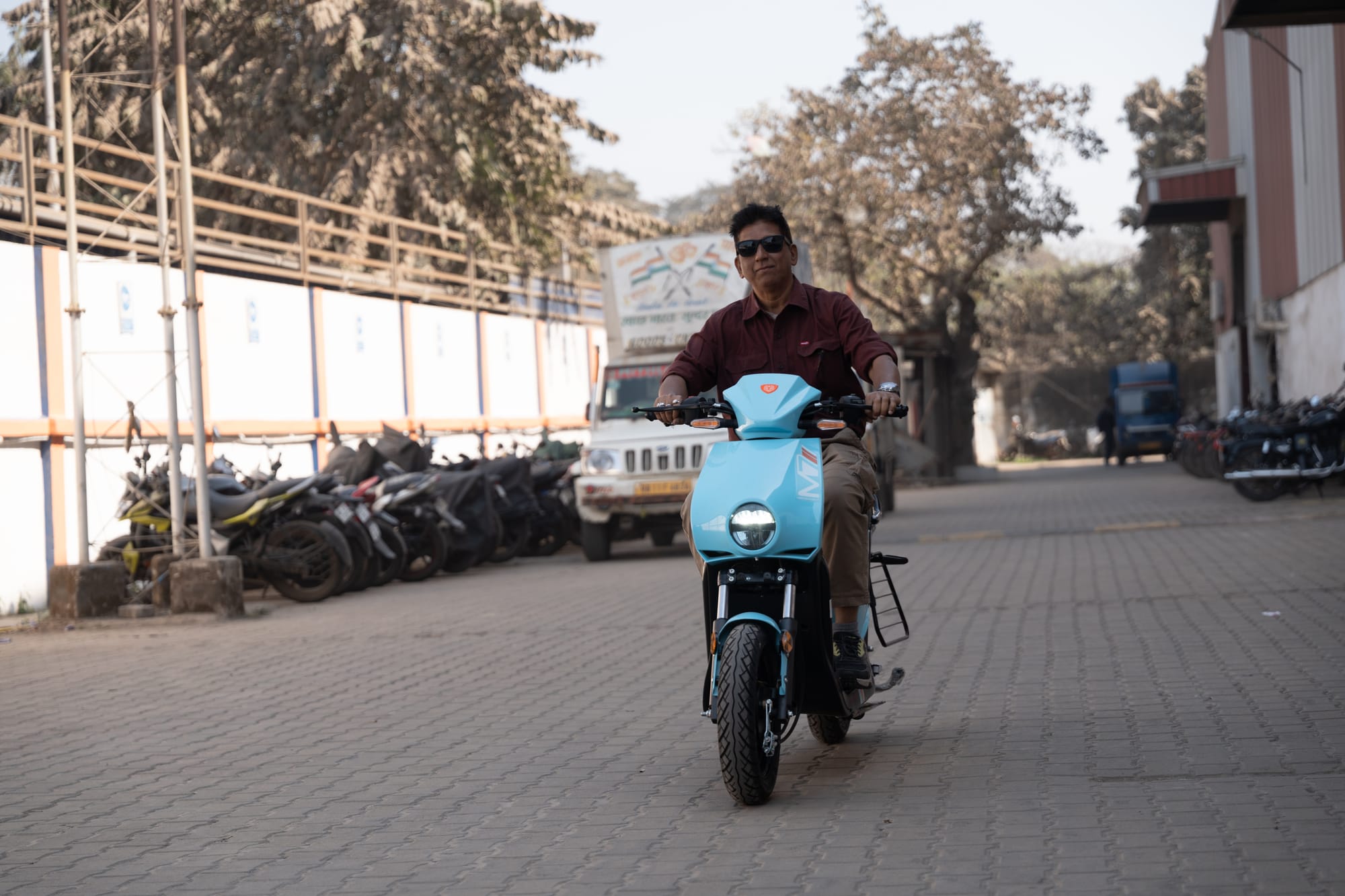
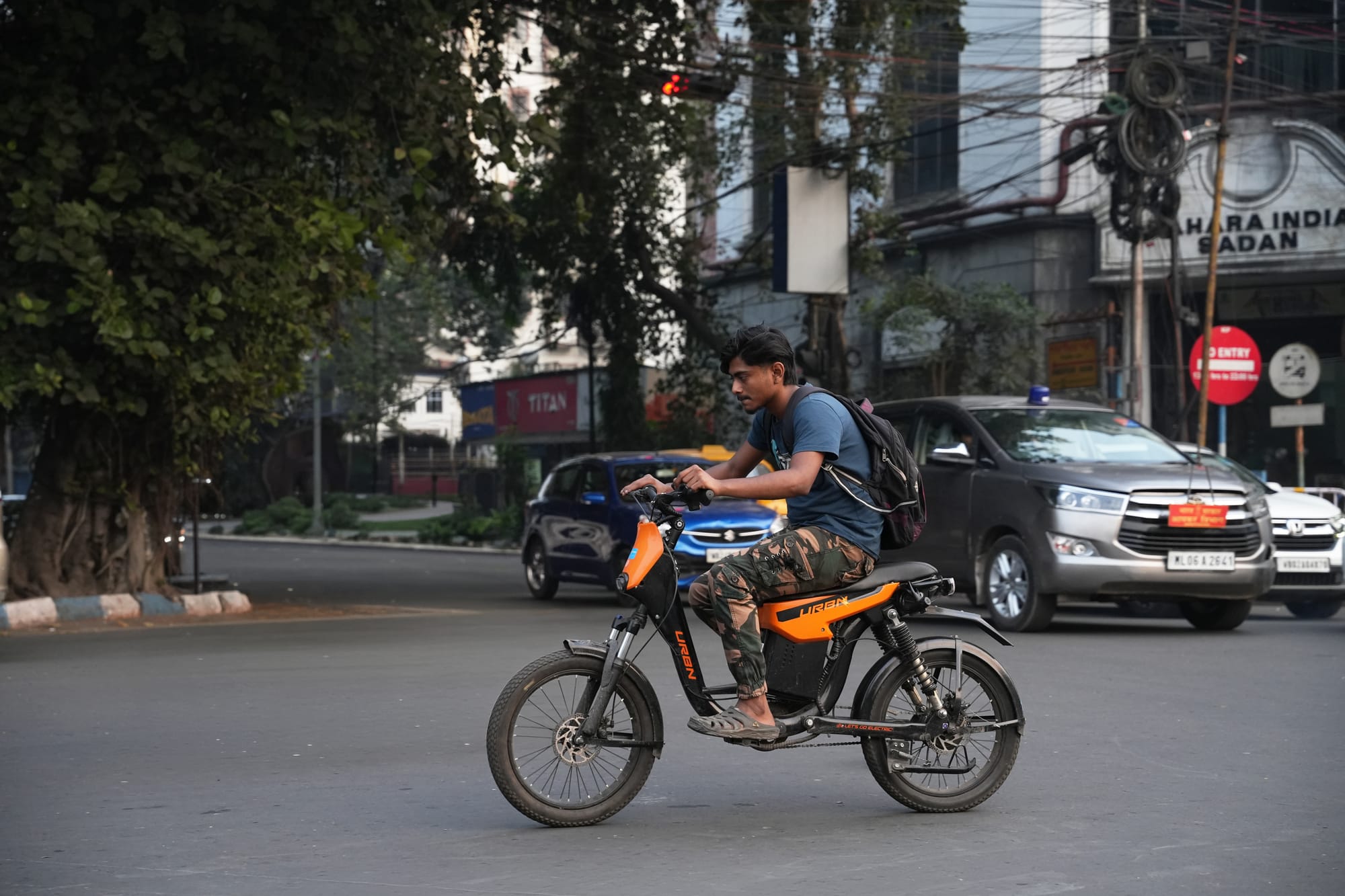
Today, Motovolt's order book is full. Demand sits at roughly 150,000 units against a manufacturing capacity of 4,000 a month. The company is working with Flipkart, expanding into South India, planning a second factory near Bangalore, and preparing for its first institutional fundraise. The e-cycle arm has supplied units to government projects across three states, with tenders for thousands more in the pipeline. And through partnerships with companies in Germany, Sweden, and the US, the global chapter is beginning to take shape.
"Let's not copy what others are doing," Choudhary says. "Let us create a category in itself of EV commercial two-wheelers. And we want to be the market leaders in this."
From a battery lab in Kolkata to delivery fleets across India and e-bikes photographed against the Manhattan skyline, Motovolt is making its case on its own terms.