
Driving economics in India’s commercial EV
Inside the Pune-based company betting that the total cost of ownership will electrify India's trucks, buses, and three-wheelers
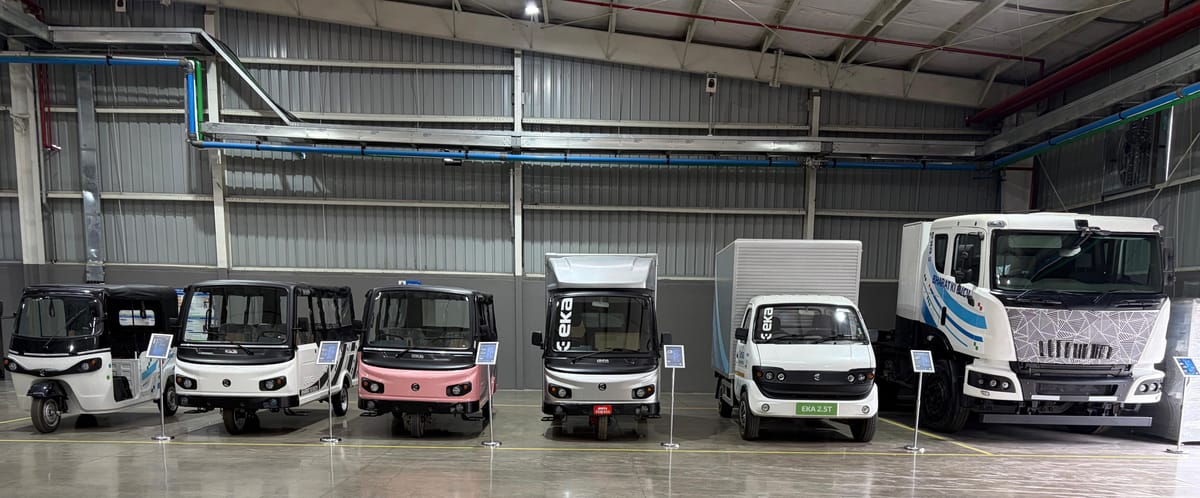
When Sudhir Mehta, the chairman of Pinnacle Industries, one of India's largest manufacturers of automotive seating, interiors, and specialty vehicles, decided to launch an electric vehicle company in 2019, the bet was on commercial vehicles that form the backbone of India's logistics and public transport networks. That company, EKA Mobility, has since grown into what its leadership describes as the widest electric commercial vehicle portfolio by any Indian OEM, spanning three-seater auto-rickshaws to 55-tonne tractor-trailers.
India's logistics cost sits at roughly 14 per cent of GDP, among the highest in the world. Road transport accounts for about 70 per cent of all goods movement, and heavy trucks alone represent nearly 60 per cent of that share. Meanwhile, India's fuel import bill has ballooned from around $60 billion a decade ago to roughly $105 billion today. Electrifying commercial vehicles, EKA's leadership argues, is not just an environmental imperative but an economic one, with the potential to shave two to three percentage points off the national logistics cost.
The Product Portfolio
EKA's product range now covers 14 distinct electric commercial vehicle models. In passenger transport, the lineup ranges from a compact three-seater auto-rickshaw through a six-seater shared mobility vehicle, all the way up to 7-metre, 9-metre, and 12-metre city buses. On the cargo side, the company offers vehicles ranging from a 750 kg payload small carrier up through 1.5-tonne and 2.5-tonne light commercial vehicles, a 7-tonne truck, and a 55-tonne tractor-trailer designed for heavy-duty highway logistics. Critically, all products offer variable battery configurations. "If you look at our three-wheelers, you can have a 10, 16, or 20 kilowatt-hour pack based on how the customer is going to use it," Zoeb Karampurwala, Chief Product Officer, EKA Mobility, explains. "That flexibility we have to build in. All our products have the flexibility of different capacities of the battery pack.
According to the company, it has developed 12 distinct platforms in the last five years, roughly 2.4 per year. Leadership claims this is nearly double the pace of the fastest traditional Indian OEMs, which typically develop around 1.2 platforms annually. A critical design philosophy underpins the entire range: every vehicle is what EKA calls "born electric," meaning each platform was designed from the ground up for battery-electric powertrains rather than being retrofitted from a diesel chassis. "All our vehicles are designed as a born electric platform," says Karampurwala. "That is why we could get a very light vehicle, almost 750 kg lighter than conventional vehicles." That weight saving directly translates into better range and payload capacity.
Buses dominate EKA's current order book of roughly 6,000 units, with over 800 vehicles on the road across Delhi, Mumbai, and the Northeast. But Karampurwala is candid about what comes next. "We started with buses because that was a big demand. But we also know that buses will eventually, the orders and everything will come down." On three-wheelers, he is more bullish: "There is a large electrification happening, not because people like electric, but because there is a very clear total cost of ownership. That segment is going to get electrified on its own, even when the subsidy goes."
The core of EKA's pitch is a TCO comparison that has shifted dramatically. A diesel heavy-duty truck costs roughly INR 50 lakh; the electric equivalent is about INR 1 crore. But at 1.6 kWh per kilometre and INR 11 per unit of electricity, the payback period is just 1.8 years — without any subsidy.
Trucks are the next frontier, driven by corporates with carbon targets and captive fleet operators tired of diesel theft. "In diesel, there is a lot of theft; you don't have any control over what's happening," Karampurwala explains. "But with electric, this is much more in their control." He expects meaningful truck adoption within two to three years, once key freight corridors are electrified: "Once that happens, your charging infrastructure is there, and payback is two years, I think everything in commercial vehicles will get electrified."
Software and Scale
EKA's competitive differentiation rests heavily on software. The company has built its entire vehicle software stack in-house, including a proprietary vehicle controller, a rarity among Indian OEMs. A unified ‘master software’ communicates with all components at startup and adapts across 10-plus platforms, eliminating the need for separate codebases per vehicle variant.
EKA Connect, the company's in-house fleet management platform, collects real-time vehicle data for predictive diagnostics and energy analytics, a critical tool for financiers still cautious about battery risk. EKA frames the broader strategy around ‘range, reliability, and repairability’, the last being an emerging priority.
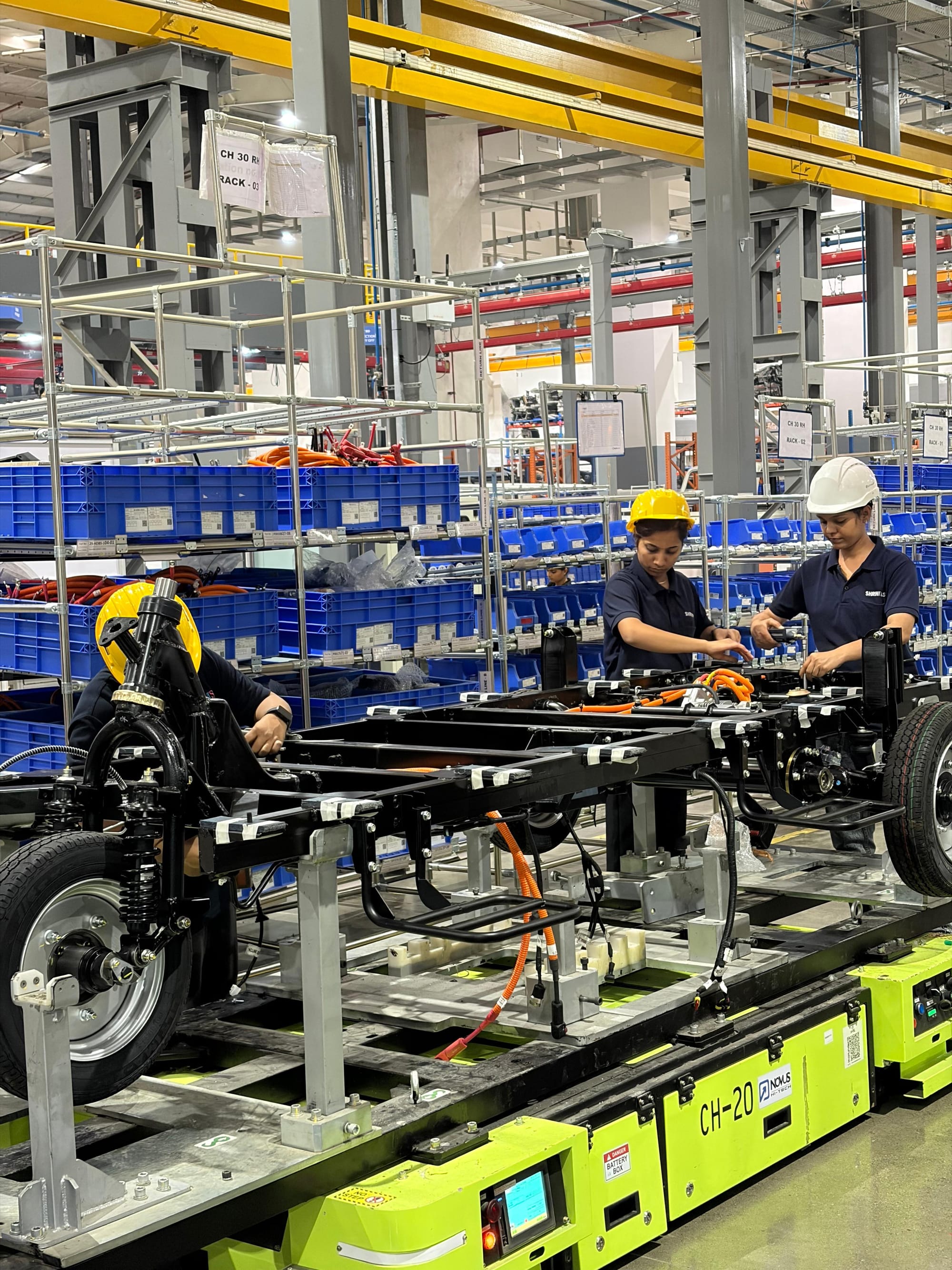
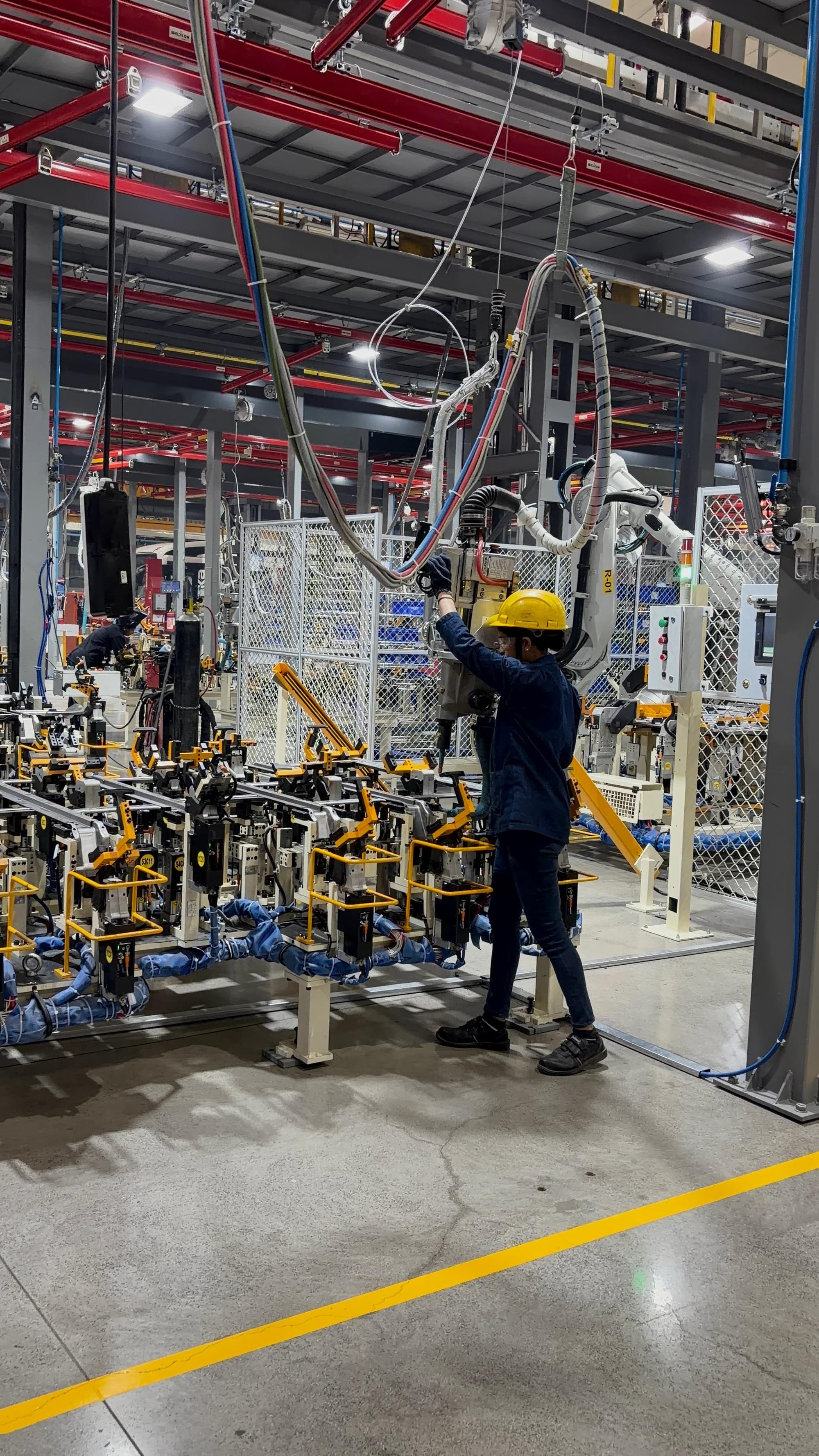
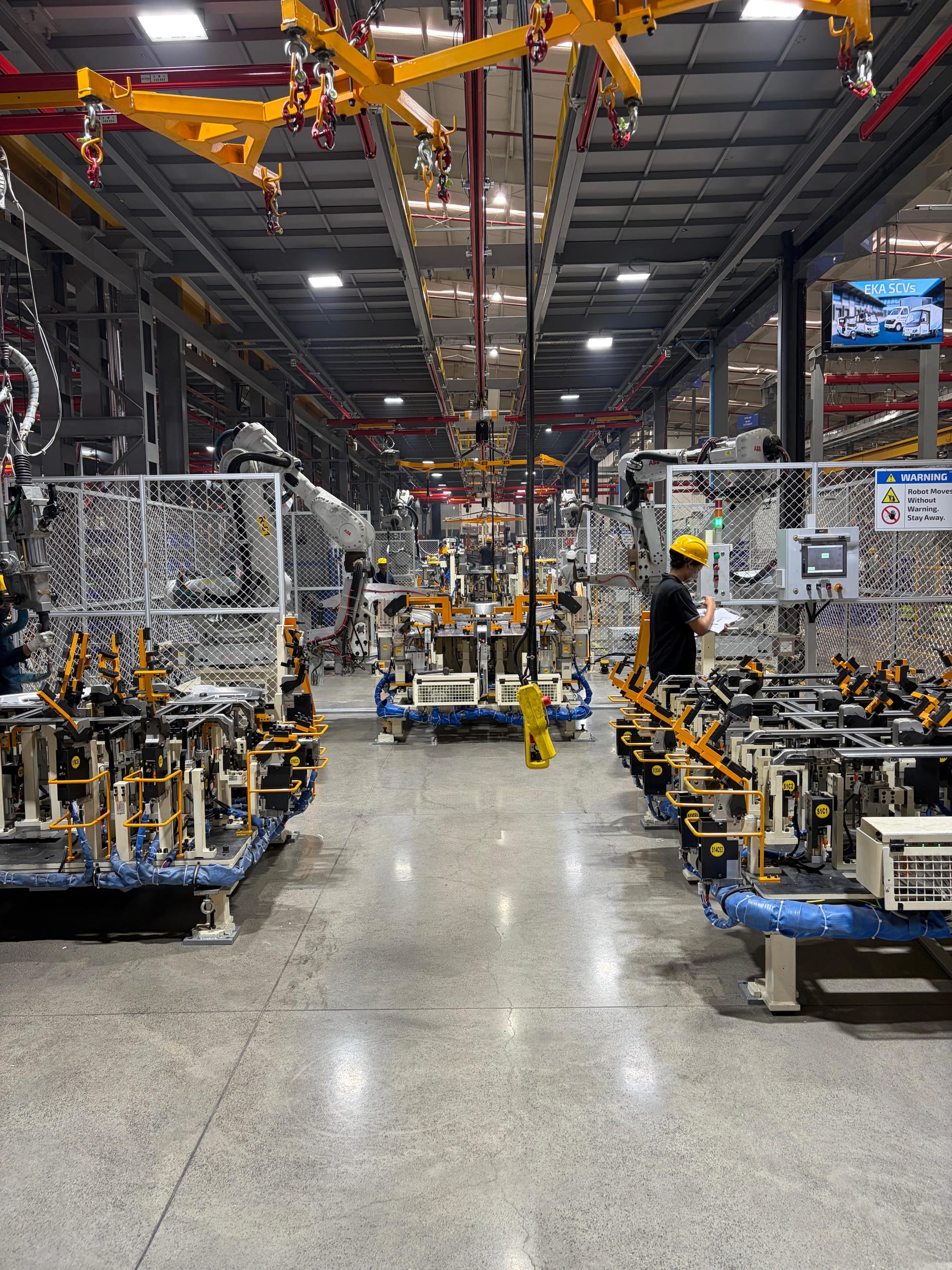
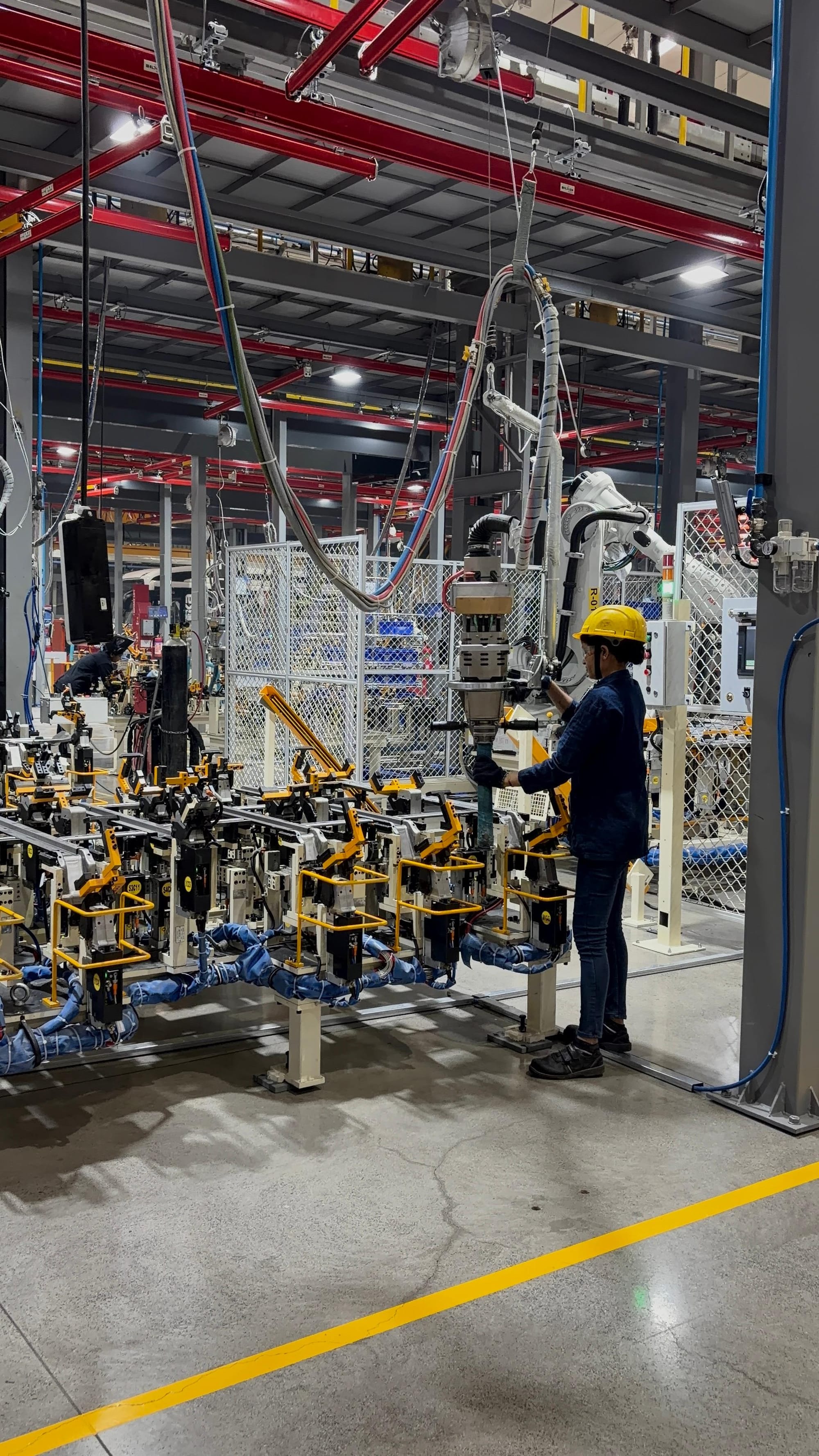
EKA operates two plants near Pune and is building a third in Pithampur, Madhya Pradesh, bringing total annual capacity to roughly 15,000 buses and 24,000 smaller commercial vehicles. The company has raised approximately INR 1,530 crore from Mitsui & Co., VDL Groep, NIIF, and Enam Holdings, and invested INR 2,000 crore across plants, R&D, and technology.
Exports have begun with buses in Zimbabwe and South Africa, with more African markets identified. The strategy leans on EKA's willingness to help partners localise manufacturing. The question now is execution. But with payback periods that make the business case self-sustaining, EKA is betting the economics will do the convincing.