India's Plastic Paradox
A nation consuming more & recycling less - Avro India's solution
On one hand, the country's plastics industry is booming, valued at approximately USD 44 billion in 2025, projected to reach USD 60 billion by 2030, and employing over 5 million people across 30,000 processing units. Plastic applications are expanding into every corner of the economy: packaging, automotive, healthcare, agriculture, construction, and consumer electronics. Government programmes like Make in India, Production-Linked Incentive schemes, and dedicated Plastic Parks are actively accelerating this growth. On the other hand, India accounts for roughly 20 per cent of the world's plastic emissions, approximately 9.3 million metric tonnes annually, and its waste management infrastructure is nowhere close to keeping pace with the volume being produced.
As urbanisation deepens, e-commerce expands, and consumer spending rises across tier-2 and tier-3 cities, plastic consumption is growing at nearly double the rate of the broader economy. Industry estimates suggest India currently consumes approximately 25 million metric tonnes of plastic annually, of which roughly 40 per cent (around 10 million metric tonnes) is discarded. Of that discarded volume, only about 24 per cent is recycled in any meaningful way. The rest ends up in landfills, rivers, oceans, open dumps, or is simply burned, releasing toxic fumes that contribute to respiratory disease, soil contamination and long-term ecological damage.
The PET Illusion
When India talks about plastic recycling success, it is overwhelmingly talking about PET — polyethylene terephthalate — the polymer used in water bottles, soft drink bottles, and certain food packaging. PET recycling in India is genuinely mature. Recovery rates exceed 90 per cent, driven by organised players with established supply chains and clear end-use markets in textiles, packaging, and fibre. But PET accounts for only a fraction of India's total plastic consumption. Roughly 66 per cent of global plastic production consists of polyolefins: polypropylene (PP), high-density polyethylene (HDPE), low-density polyethylene (LDPE), and linear low-density polyethylene (LLDPE). These are the polymers found in cement bags, salt and sugar packaging, agricultural films, contaminated food pouches, multi-layered sachets, putty bags, and the vast majority of single-use flexible packaging that Indians encounter daily.
Unlike PET, which has relatively standardised collection and reprocessing pathways, flexible polyolefin waste is contaminated, heterogeneous, difficult to segregate, and economically unattractive for most recyclers. A cement bag or a contaminated food pouch that originally cost INR 100–125 per kg as virgin plastic has near-zero residual value once discarded. There are few takers, fewer processors, and almost no organised infrastructure to handle it at scale. The result is that millions of tonnes of perfectly recyclable plastic are treated as worthless.
Informal Sector
India's plastic waste collection system is, in reality, a vast informal economy. Rag pickers form the first link in the chain, collecting discarded plastic from streets, dustbins, and landfills and selling it to local aggregators and scrap dealers. These dealers, in turn, sell to recyclers or intermediaries, often after minimal segregation. This system, while effective in sheer volume of collection, is deeply exploitative and structurally inefficient.
Scrap dealers operate without quality controls, laboratory testing, or polymer-specific segregation. Material arrives at recycling units in mixed, contaminated batches, PP mixed with HDPE, coloured mixed with clear, food-contaminated mixed with industrial. For recyclers attempting to produce high-quality granules that can compete with virgin polymer, this inconsistency is a daily operational nightmare.
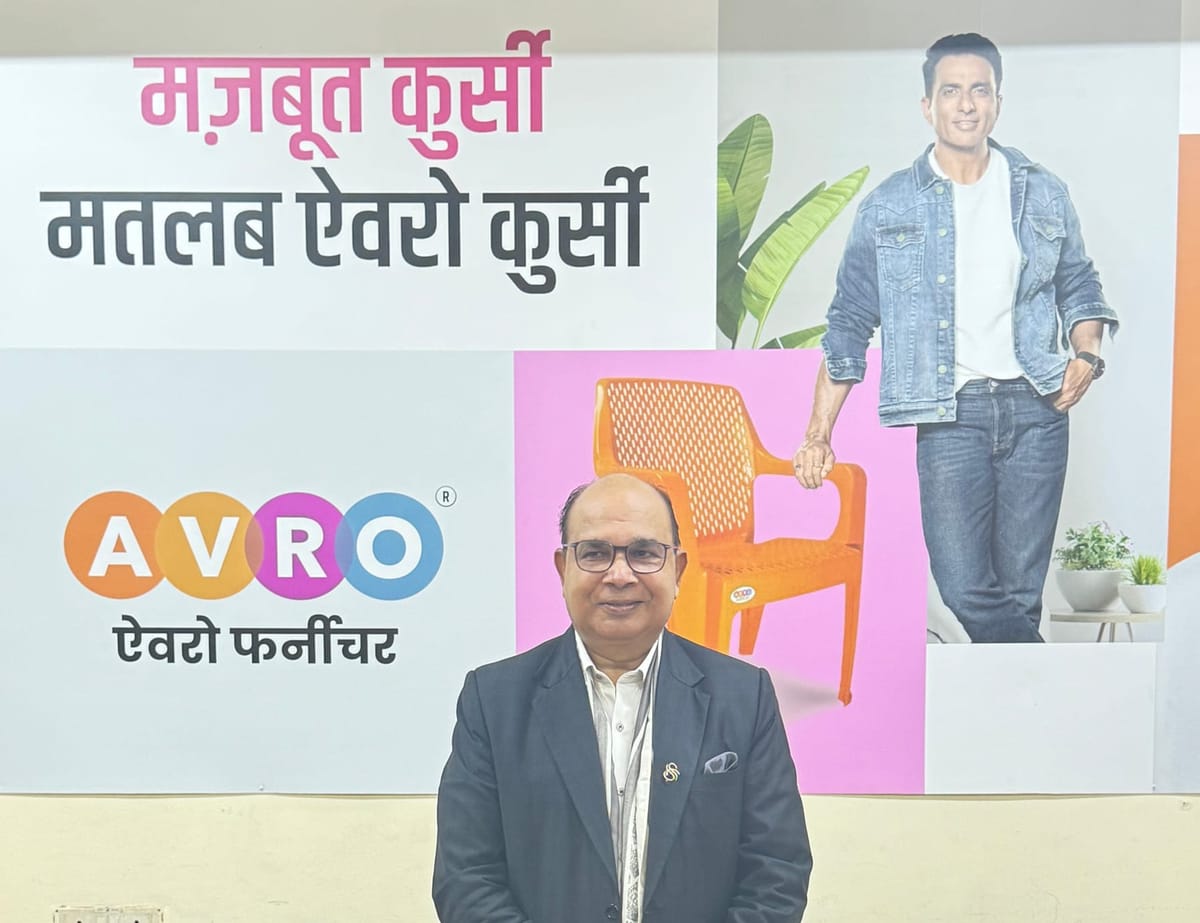
Sushil Kumar Aggarwal, Chairman and Whole-Time Director of Avro India Limited, a company that has spent 24 years working exclusively with recycled plastic, describes the challenge bluntly: "The supply chain is totally informal. There is no consistency. You are dealing with scrap, and nobody in the country has the bandwidth to process what comes off the streets."
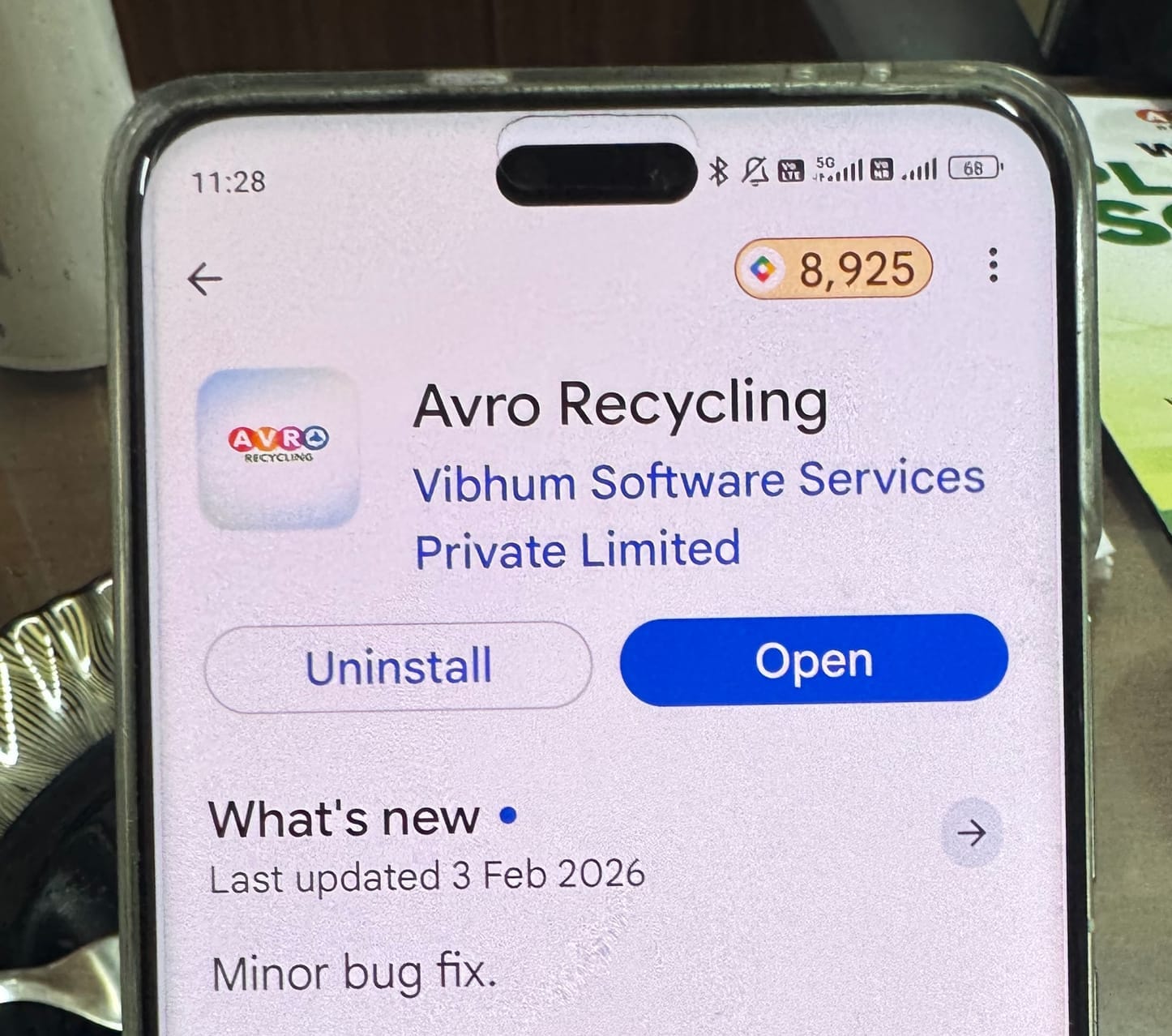
Avro has attempted to address this through its initiative, a mobile application that allows any individual across India to log available plastic waste and receive direct payment via UPI, bypassing the middleman cartel. The company offers ₹20 per kg directly to consumers and a 10 per cent commission to aggregators and supply chain participants, aiming to formalise the first mile of plastic waste collection. It is an ambitious model, but one that remains in its early stages. Scaling it nationally would require infrastructure, logistics, and trust-building that no single company can achieve alone.
Extended Producer Responsibility (EPR)
The Government of India's most significant policy intervention in this space has been the introduction of Extended Producer Responsibility (EPR) norms under the Plastic Waste Management Rules. The latest amendments mandate that rigid plastic producers must incorporate at least 30 per cent recycled content into their products. For FMCG giants, automotive manufacturers, and consumer brands, this creates a direct, regulatory-driven demand for high-quality recycled plastic, a demand that barely existed five years ago.
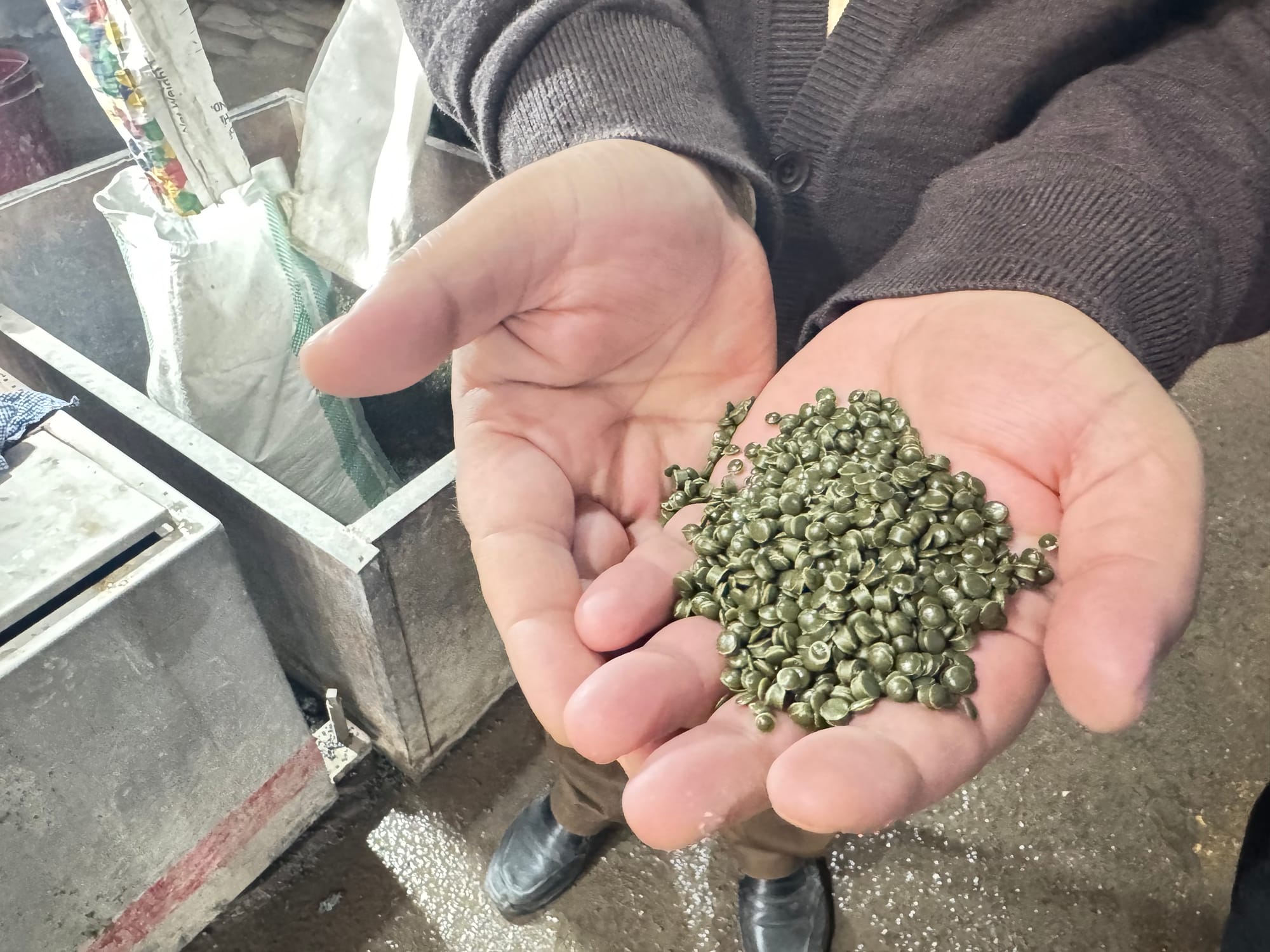
But the execution gap is wide. Most large corporations currently have no reliable source of high-grade recycled PP, HDPE, or LDPE that meets their technical specifications. The few organised recyclers who can deliver at scale are vastly outnumbered by thousands of small, informal operators producing low-quality output. Avro India's experience claims to have developed proprietary upcycling technology, including German-sourced optical sorters capable of separating mixed polymers by both type and colour, that can produce recycled granules matching virgin plastic specifications at up to 50 per cent lower cost.
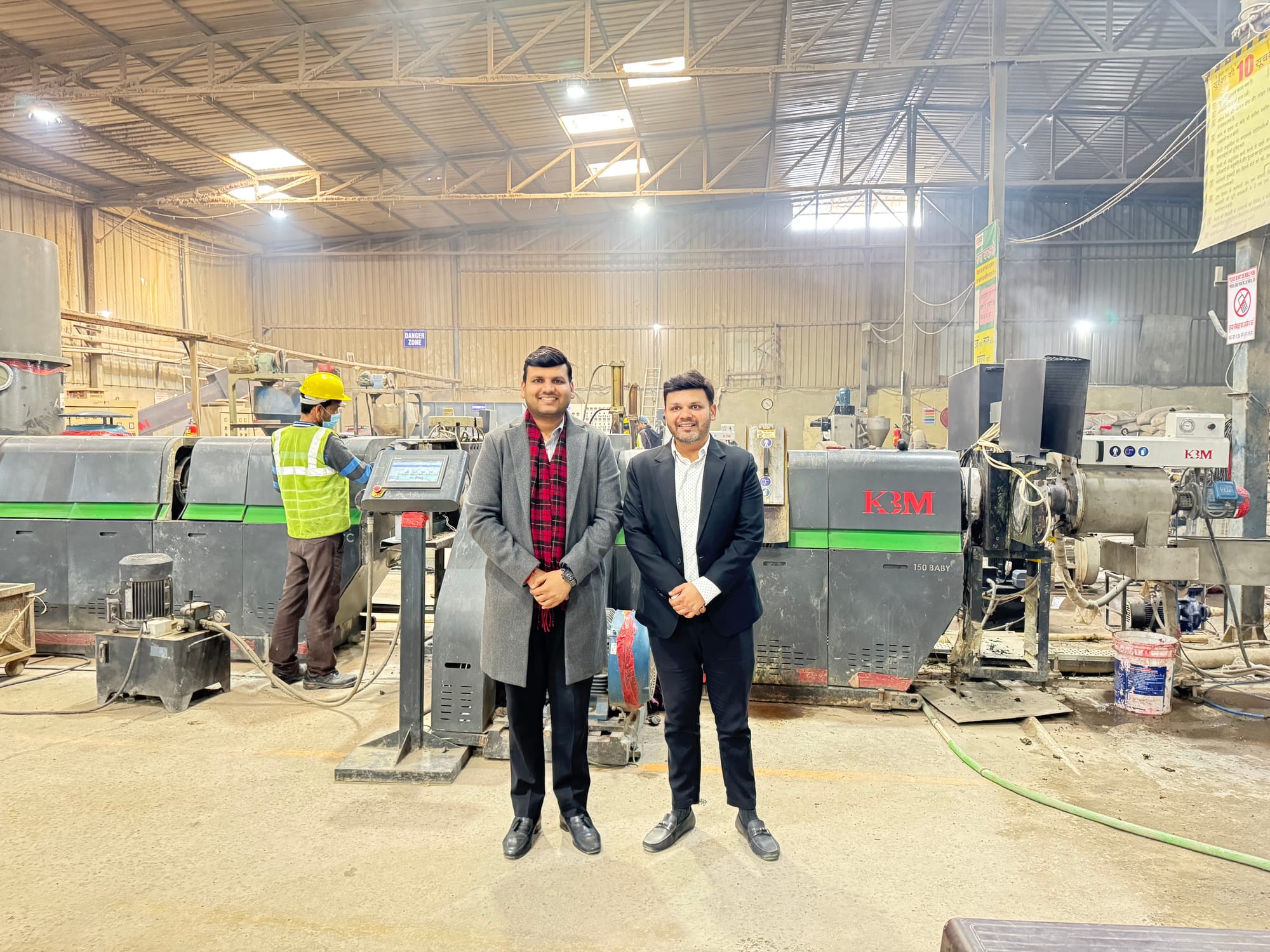
Nikhil Aggarwal, the founder's elder son who oversees Avro's recycling operations, frames it as a credibility problem compounded by India's immaturity in this space: "On a business-to-business level, people who are in the recycling business know there is a byproduct here that can be used. They just don't know how to use it. And the awareness is not there."
Taxing the Circuiar Economy
The major policy flaw that needs to be addressed is the treatment of recycled plastic under India's Goods and Services Tax regime. Every time plastic waste is collected from the informal sector and sold to a recycler, it attracts 18 per cent GST under the reverse charge mechanism. When that recycled material is converted into a product and sold, GST is levied again. If that chair eventually breaks, is collected by a rag picker, and re-enters the recycling chain, 18 per cent GST is charged once more. Across five cycles of recycling, a product that originally cost ₹100 effectively becomes ₹190 in cumulative tax burden.
Aggarwal is among the most vocal critics of this policy: "They should have made it zero. We have already taken GST at the original product level. Charging 18 per cent every time plastic is recycan led defeats the entire purpose of the circular economy." It is a structural disincentive to recycling. Virgin plastic, by contrast, is taxed once at the point of production.
Infrastructure Needs
India does not lack intent in plastic waste management. The Swachh Bharat Mission, the ban on identified single-use plastics, the EPR framework, and the Plastic Waste Management Rules. But policy intent without corresponding infrastructure is aspiration without execution. What is missing is industrial-scale recycling capacity for PP, HDPE, LDPE, and flexible multi-layered packaging.
Aggarwal's prescription is specific: dedicated plastic recycling parks (at least 10 acres each) in every city and district across India, exclusively for plastic waste processing. These would house the full chain: collection, segregation, washing, extrusion, and granule production, supported by government subsidies on capital, interest, and land.
Companies like Avro India represent one model for how this gap could be bridged. The company's facility processes over 600 metric tonnes per month of washed flexible waste and has extrusion capacity exceeding 1,000 tonnes, with plans to scale to 5,000 tonnes per month across multiple locations by FY2028. Its German optical sorting technology, capable of separating mixed polymers and colours from a single batch, addresses one of the most technically challenging aspects of non-PET recycling.
But Avro is one company. India needs, by most estimates, thousands of such facilities — each operating at scale, with proper environmental controls, quality standards, and traceable supply chains. The question is not whether the technology exists. It does. The question is whether India can build the ecosystem fast enough: the policy framework, the financial incentives, the infrastructure, and the formalisation of the supply chain from rag picker to factory floor.
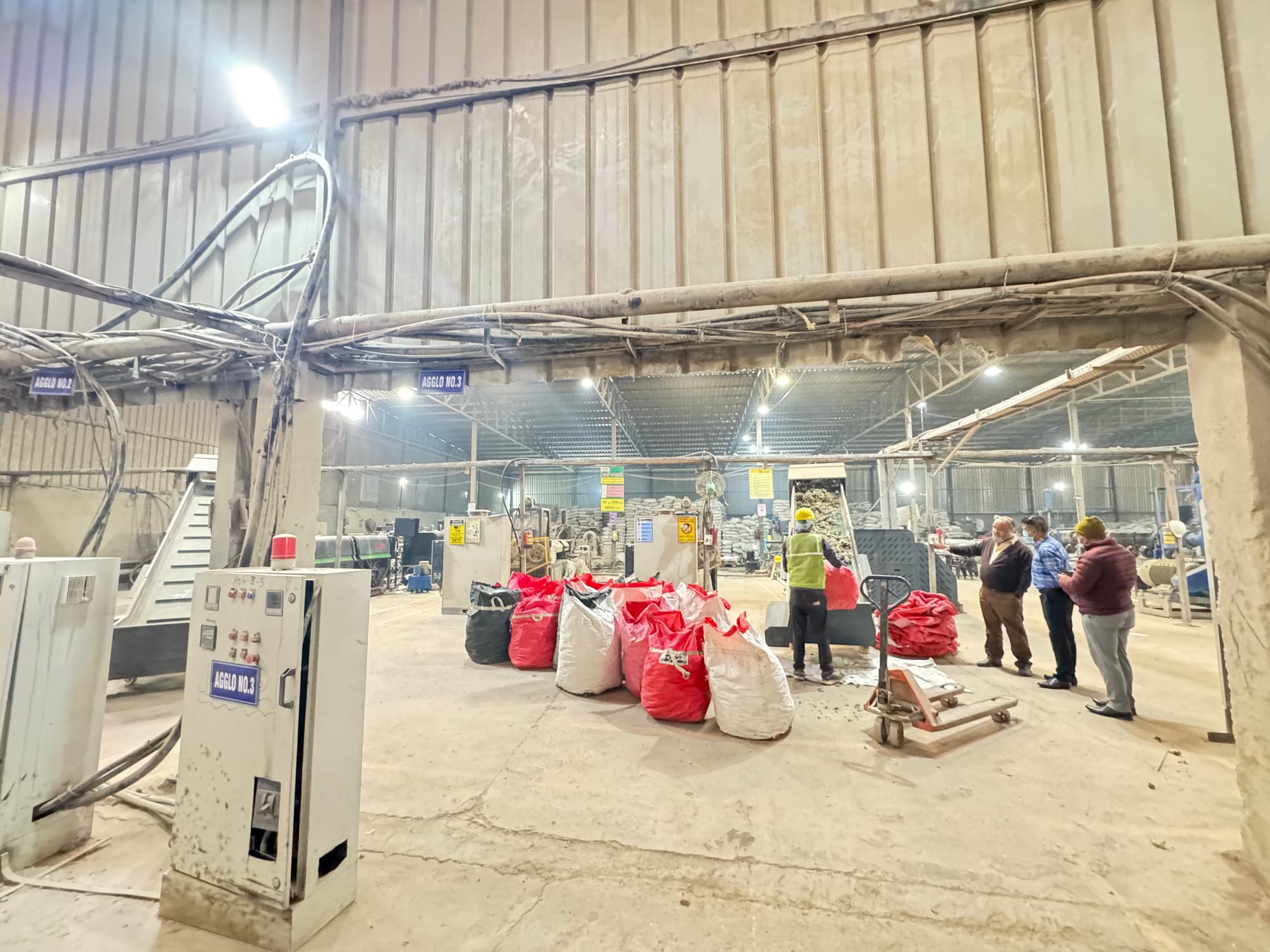
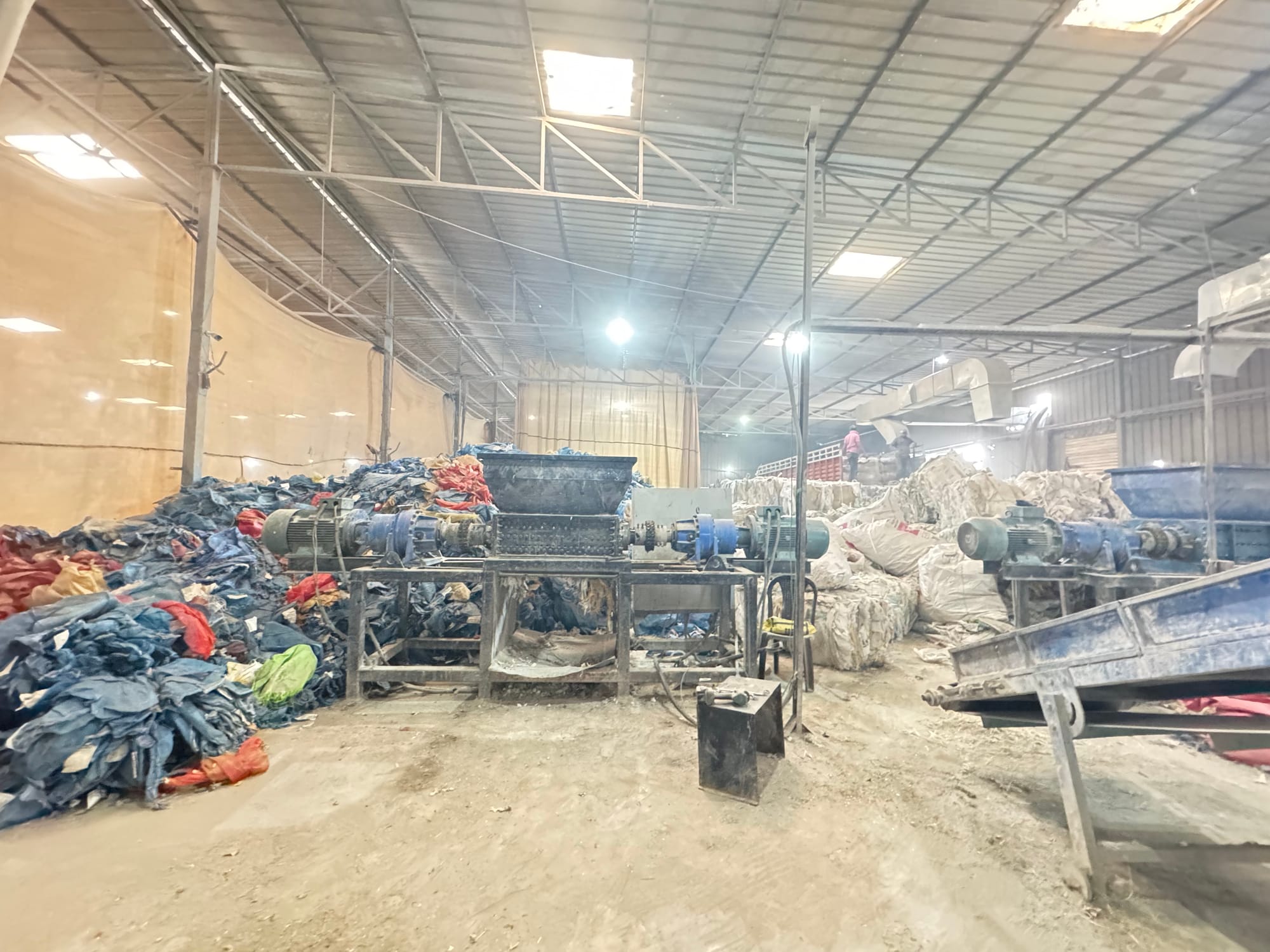
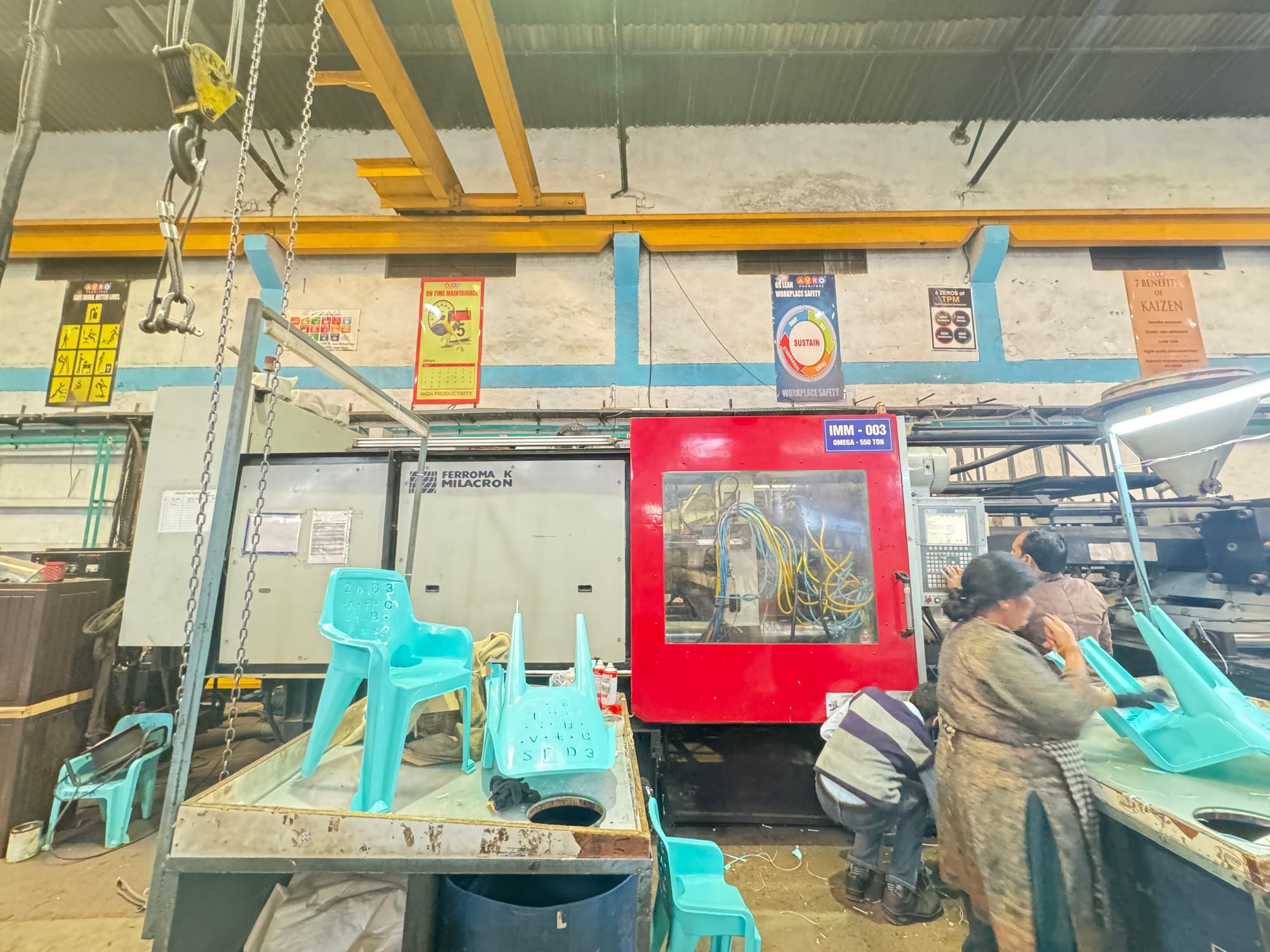
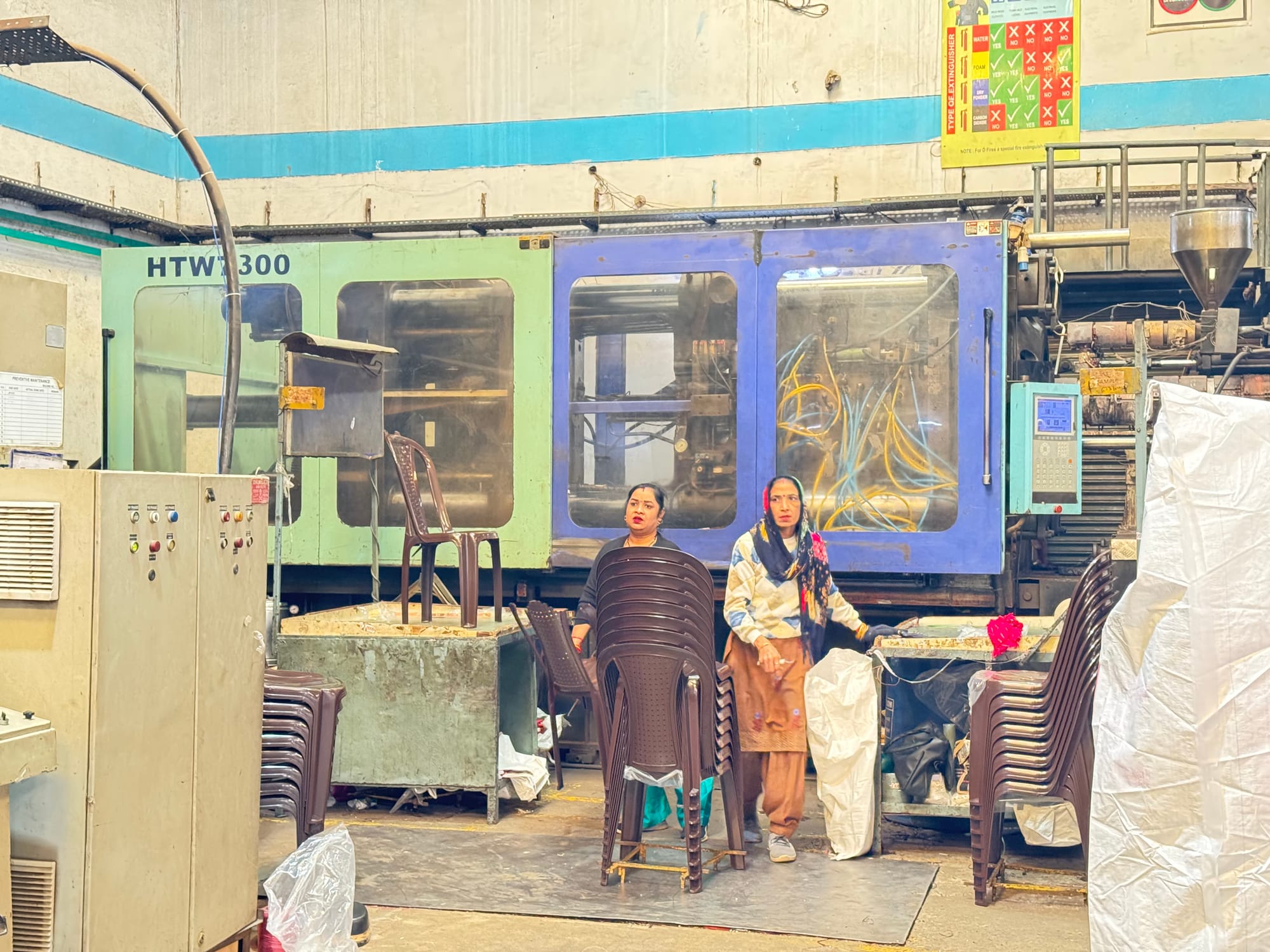
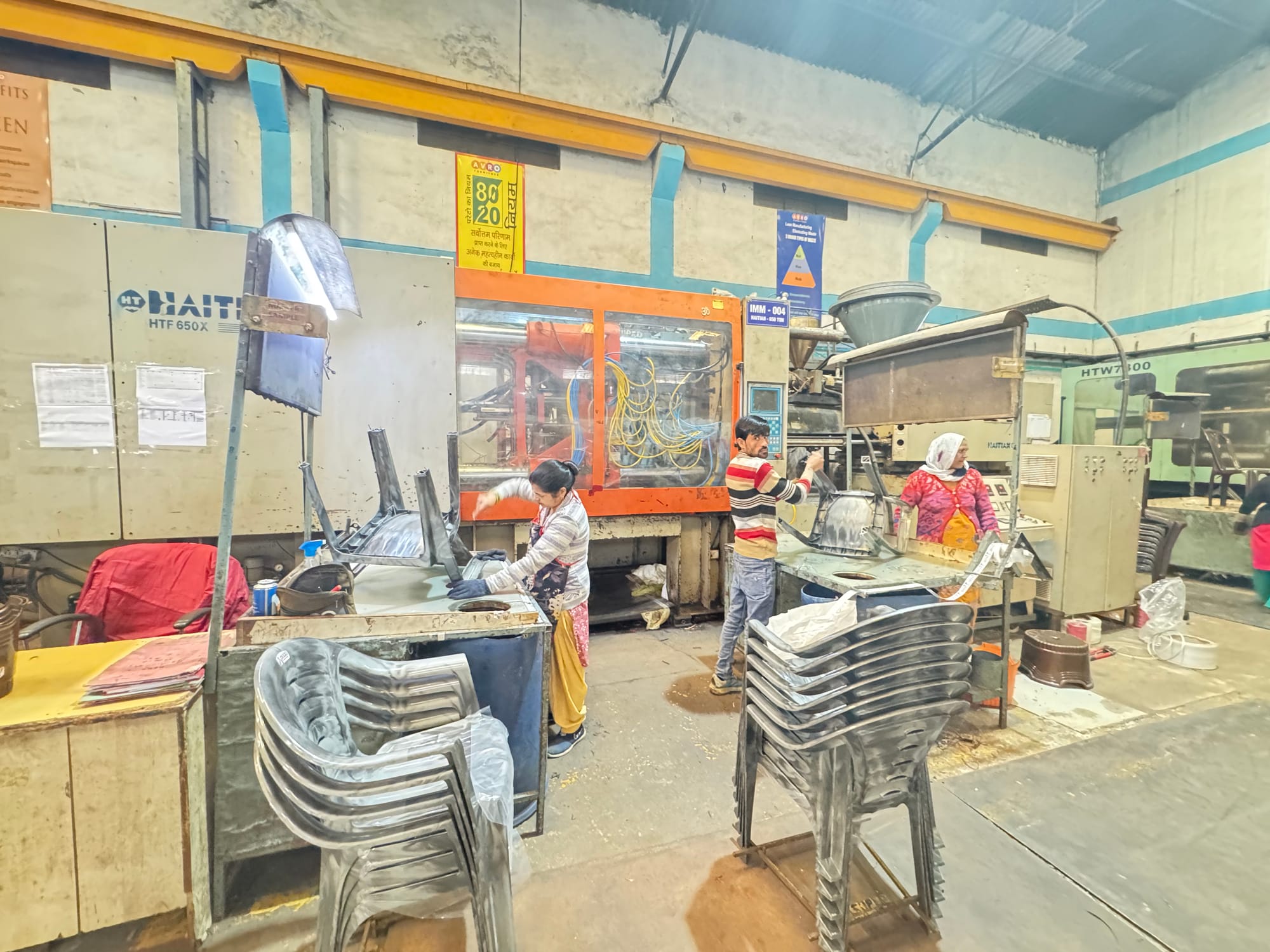
As Nikhil Aggarwal puts it: "We know we need to be responding to the challenges as they come. Nothing is set in stone in this business because every day something is changing — regulation, machines, manpower, processes. It is very dynamic."
Closing Thoughts
India's relationship with plastic is not going to reverse. Consumption will continue to grow, driven by population, urbanisation, income growth, and the sheer versatility of polymers as a material. It will be solved when recycling is treated as essential national infrastructure, funded, incentivised, and scaled the way India has scaled solar, digital payments, and highways. The waste is already here. The technology is ready. The question is whether India will build the bridge between the two before the pile becomes unmanageable.