Pre-budget 2026 expectations

As India prepares for the Union Budget 2026, anticipation is building across industries. bizmudra got responses from various Industry leaders on their expectations for the Union Budget 2026
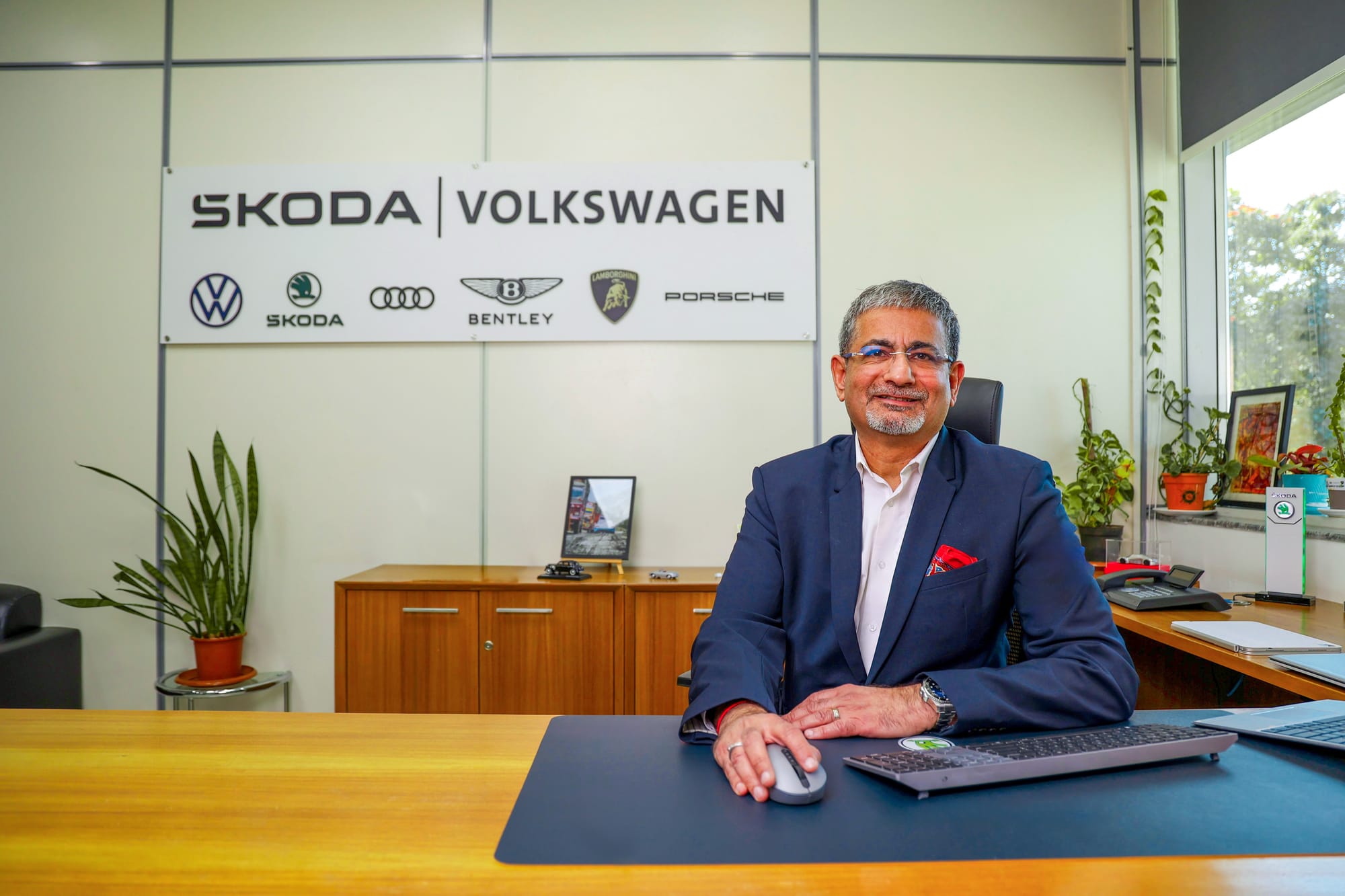
Mr Piyush Arora, MD & CEO of Skoda Auto Volkswagen India, said, “As the Union Budget approaches, after the successful and welcome implementation of GST 2.0, the industry will be looking for policy continuity and long-term clarity. Sustained support for domestic manufacturing and increased allocation for road and transport infrastructure will be key priorities. Rationalising the inverted duty structure for EVs will strengthen domestic manufacturing and competitiveness and will further accelerate India’s transition to sustainable mobility. Continued focus on building the EV ecosystem, alongside measures that support household disposable incomes, will be essential to sustain demand momentum and reinforce the sector’s role in India’s broader economic growth.”
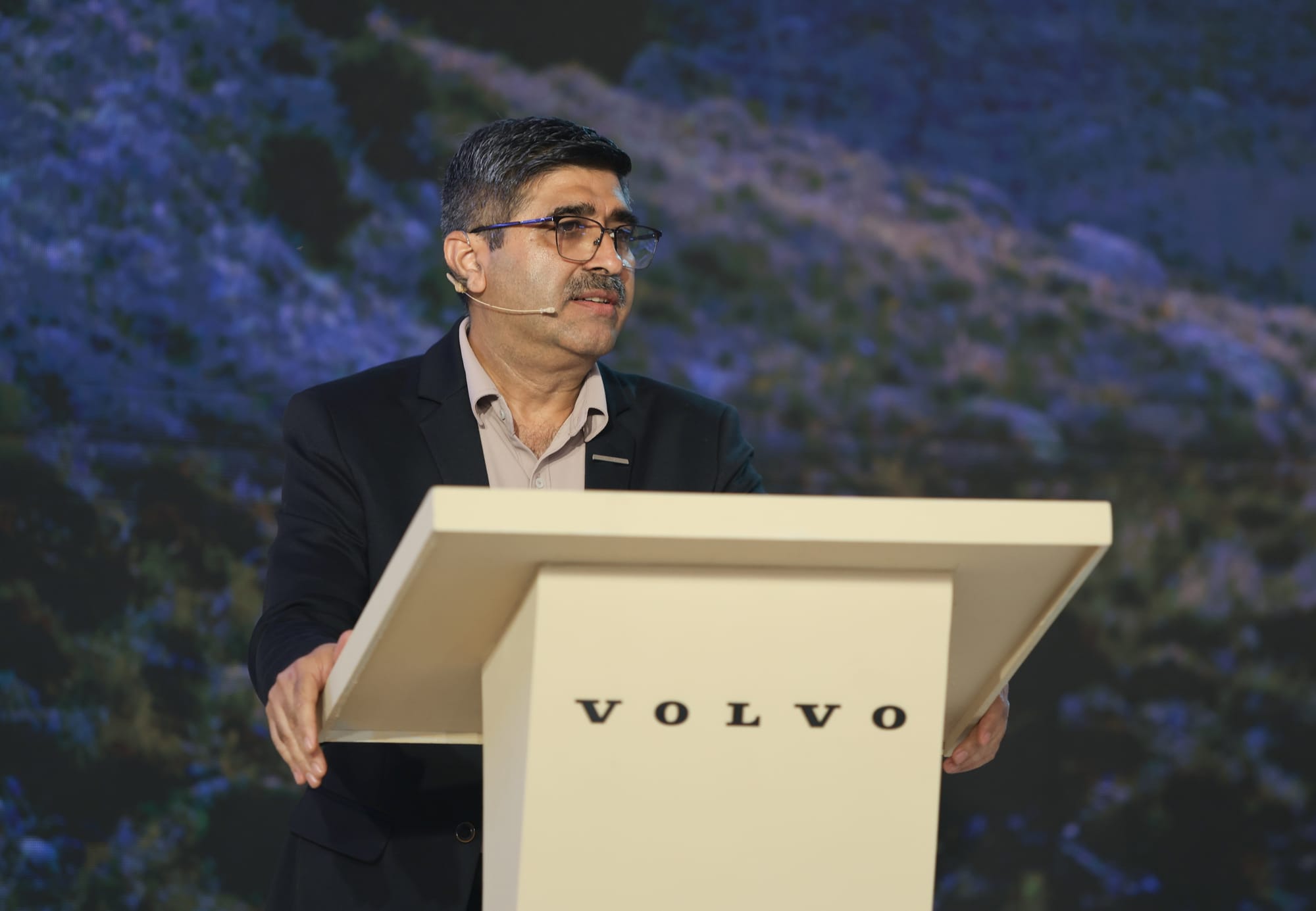
Mr. Jyoti Malhotra, Managing Director, Volvo Car India, “As the automotive industry looks ahead to the upcoming Union Budget, continuity and clarity will be critical. Following the implementation of GST reforms, the sector stands at a pivotal inflection point, where sustained and predictable policy support can help accelerate recovery and stimulate long-term demand. Rationalisation of the duty structure, particularly for the rapidly growing electric vehicle (EV) segment along with well-calibrated incentives for global automobile manufacturers investing in sustainable mobility, would serve as strong catalysts for the industry. The government’s focus on expansion of charging infrastructure in the country will act as an impetus to green mobility. Such measures can not only strengthen India’s position as a progressive automotive market but also reinforce the country’s transition towards cleaner, safer and more sustainable transportation.”
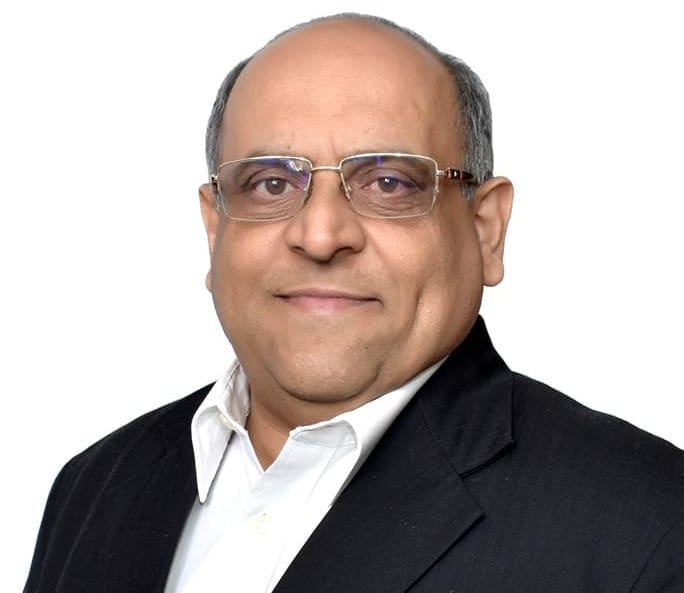
Mr. Vikram Gulati, Executive Vice President - Corporate Affairs and Governance, Toyota Kirloskar Motor said, “We extend our appreciation to the Government of India for its prudent fiscal and economic policies, which have ensured macroeconomic stability and sustained robust GDP growth despite global trade fragmentation and escalating geopolitical tensions. We urge the Government to maintain its focus on infrastructure development and continue its sustained support for multiple green energy pathways to achieve India’s long-term goals of energy security and net-zero emissions. We remain confident that the upcoming Union Budget will continue to deliver balanced and forward-looking policy measures across industries, including the automobile sector, which is a vital contributor to economic growth and employment.”
Anurag Mehrotra, Managing Director, JSW MG Motor India, “From Budget 2026, we anticipate enablers for continued investment in infrastructure, as the logistic industry continues to contribute significantly to the GDP. On the electric mobility front, we expect the government to further strengthen consumer-led incentives and schemes to accelerate EV adoption. Rationalisation of duties on EV components would be a welcome move, along with greater support for localization of EV manufacturing. While the charging network has expanded, there is still considerable progress to be made, and we would greatly appreciate strong fiscal support for the expansion of charging infrastructure.”
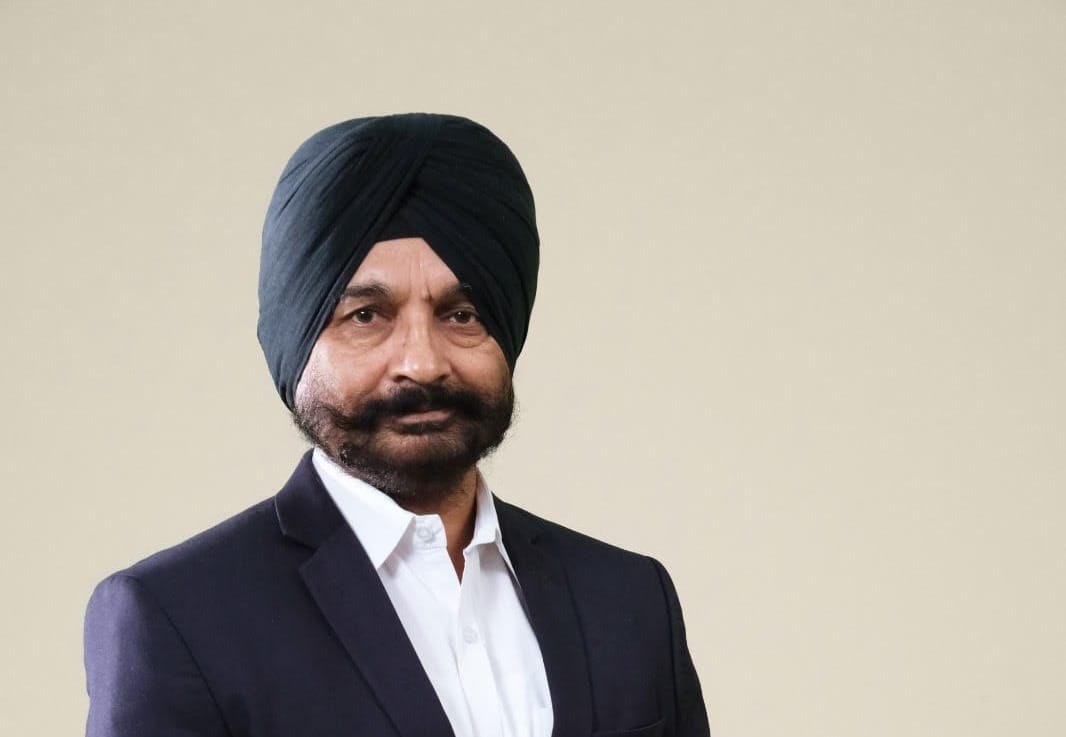
Mr. Harinder Singh, Managing Director & CEO, Yokohama India Pvt. Ltd., said - "The passenger vehicle segment is undergoing clear premiumization, with larger rim sizes and performance-oriented fitments increasingly dominating OEM specifications. Yokohama India has proactively aligned with this trend through localization of higher-inch tyres and capacity expansion at our Visakhapatnam facility, positioning us to serve both OEM and replacement demand across price segments. For India to emerge as a global manufacturing hub for premium tyres, the Budget must deliver on three critical fronts: continued infrastructure capital expenditure to sustain automotive demand, enhanced export facilitation measures including duty drawbacks and logistics support, and stable trade policies on raw materials that provide cost predictability. These interventions would directly advance the Atmanirbhar Bharat vision while strengthening India's position in global automotive supply chains."
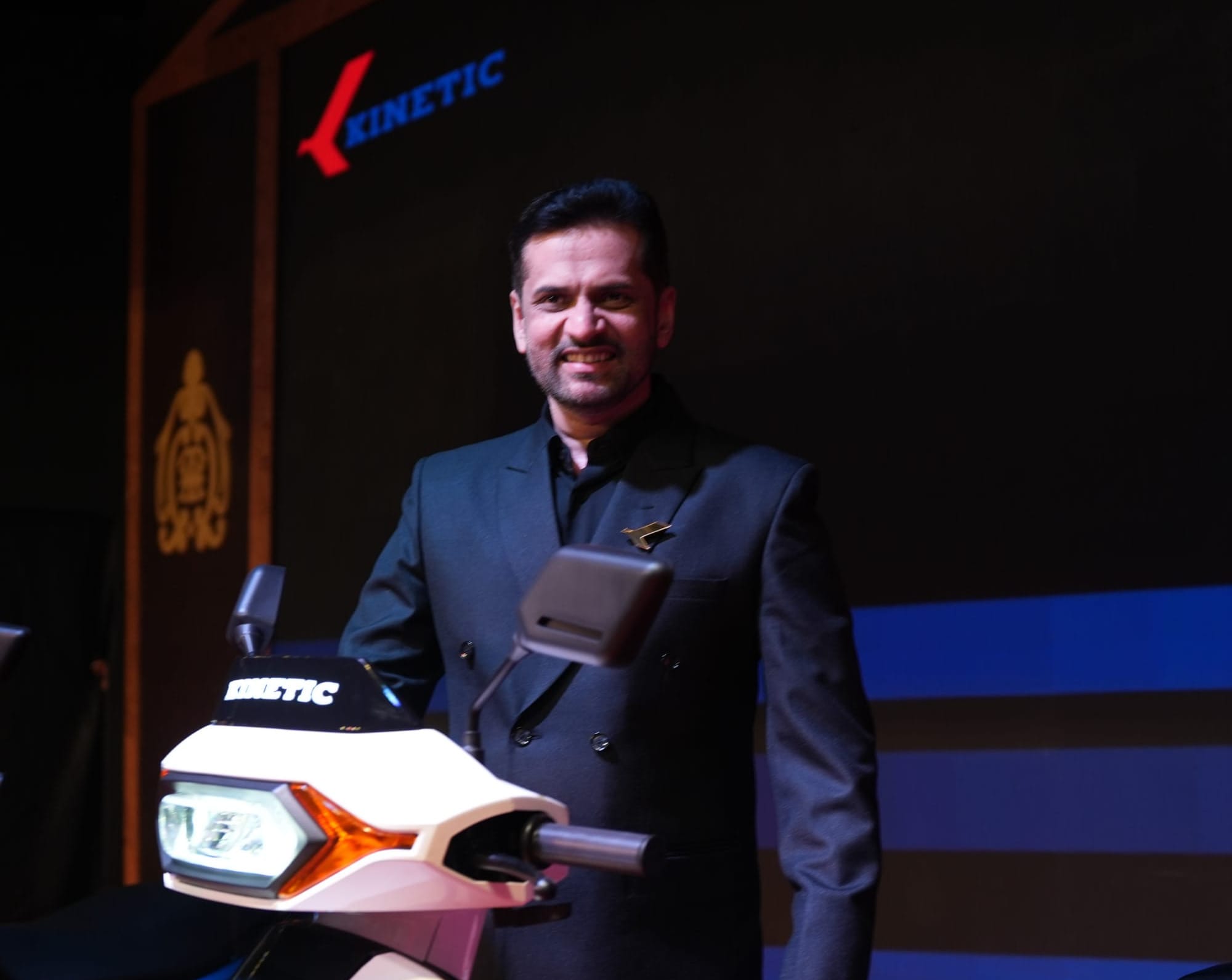
Mr. Ajinkya Firodia, Vice Chairman & Managing Director, Kinetic Watts & Volts Ltd, said, “India’s EV adoption has been fundamentally driven by value creation: lower operating costs through fuel savings, reduced maintenance, and the integration of smart, connected technologies. As we look ahead to the upcoming Union Budget, there is strong hope that the Government of India will continue to reward EV consumers by extending flagship initiatives such as the PM E-Drive policy, while further enhancing incentives for citizens who are embracing cleaner and future-ready technologies. To offset fiscal impact, the government could consider a calibrated pollution-linked tax on high-emission vehicles. Additionally, higher incentives for consumers willing to scrap older ICE vehicles and transition to EVs would significantly accelerate fleet renewal and contribute meaningfully to pollution reduction – an urgent national priority. At the same time, the EV ecosystem must recognise and support manufacturers who have the courage to invest early. A dedicated PLI framework for startups and mid-scale entrepreneurs is essential – one that empowers Indian companies to innovate and compete in an industry dominated by global giants, while strengthening domestic manufacturing capacity.”
Mr. Sidhartha Khurana, Managing Director, STUDDS Accessories Ltd, “As the auto industry continues to evolve, the Union Budget 2026 comes at a crucial time, especially after a strong recovery driven by GST 2.0 reforms that have improved compliance and strengthened supply chains. Sustained focus on infrastructure development, support for domestic manufacturing and skill upgradation will be key to maintaining growth momentum across the auto and auto ancillary sector as volumes rebound across segments. The industry is also looking for continuity, along with a renewed push towards localisation, innovation and ease of operations to enhance global competitiveness. A forward looking budget that supports manufacturing scale-up, road safety and policy stability will enable companies like ours to invest with confidence, create employment and contribute meaningfully to India’s journey as a global automotive manufacturing hub.”
Sunil Badala, Partner and National Head of Tax, KPMG in India said “The increase in slab rates for individuals in the last Budget, along with the recent reduction in GST rates, has enhanced disposable incomes and consequently driven consumption and spending. However, our pre Budget survey indicates that stakeholders continue to look forward to further reforms and tax incentives. A major expectation is the overhaul of the dispute resolution mechanism under direct tax laws, including the introduction of mandatory timelines for the disposal of appeals. Additionally, revisions to the Safe Harbour Rules under the Income tax framework and enhancements to the GST Invoice Management System are among the key items that stakeholders expect from Budget 2026.With the new Income tax Act set to come into effect from 1 April 2026, some of these expectations may need to be calibrated accordingly.”
Mr. Aditya Khemka, Managing Director, CP PLUS, "As the Union Budget approaches, there is a strong opportunity to further strengthen India’s security and surveillance infrastructure in line with the country’s urban growth and digital transformation. With increasing focus on smart cities, public safety, transportation networks, and critical infrastructure, surveillance solutions have become an essential part of nation-building. A forward looking Budget that supports innovation, manufacturing, and responsible use of technology will not only strengthen India’s security framework but also create jobs, drive exports, and contribute to a self-reliant and resilient economy."
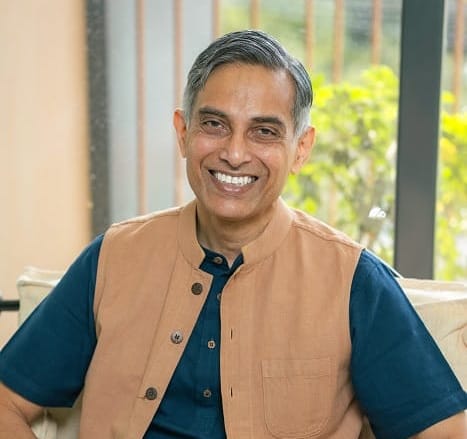
Mr. Rajiv Vasudevan, MD, CEO & Founder, Apollo AyurVAID, “Over the last few years, the government has made sustained and visible efforts to build awareness and credibility for the Ayush medical system, both within India and globally. MoAyush’s own research initiatives as well as collaborations with WHO, DBT, ICMR, etc. signal a clear intent to move towards evidence-based integration. However, translating this intent into substantial reality shall require dedicated investment commitments of the order of a minimum of INR 500 cr. per year over the next 5 years whereby robust evidence is built for Ayurveda as treatment of choice for select medical conditions starting with conditions such as Diabetes, Parkinson’s, Osteoarthritis-Knee, Lumbar Spondylosis and Sciatica in addition to gut health, sleep health, etc. This provision should be to set up a separate moonshot mission for evidence building fostering strategic public-private partnerships just as DBT has successfully demonstrated in the biotechnology sector over the last 2 decades. Not only shall this reduce healthcare spends for the Government in the medium term with elective surgery and emergency care reduced/obviated, but it will also be welcomed by society at large.”
Mr Rajeev Singh, Managing Director, BenQ India and South Asia said, "The Union Budget 2026–27 will boldly advance India's Viksit Bharat@2047 vision by prioritising transformative investments in education technology, youth skilling, and middle-class prosperity—essential catalysts for the consumer electronics and edtech sectors. As a pioneer in monitors, projectors, and interactive flat panels (IFPs) that power modern homes, hybrid offices, and smart classrooms across the nation, we anticipate a comprehensive strategy that aligns fiscal measures with our sector's growth trajectory. In particular, we foresee a substantial allocation under PM SHRI and Samagra Shiksha schemes to revolutionise smart classrooms, mandating at least 50% local procurement of IFPs and projectors to equip 1.5 lakh schools and transform hybrid learning for 20 million students, enabling brands like ours to deploy over 2.5 lakh units annually. Complementing this, an enhanced PLI 2.0 scheme with ₹10,000 crore outlay would offer 7-10% incentives for localising advanced 4K/8K panels, laser projection technology, and eye-care monitors, slashing import dependence from 45% to under 10% while scaling manufacturing capacity."
Ravi Kunwar, VP and CEO, HMD India & APAC said, “As India prepares for the Union Budget 2026, we urge the government to extend the smartphone PLI scheme beyond March 2026 and introduce a strengthened PLI 2.0 with enhanced incentives of up to 6% on incremental sales. This will be critical in order to sustain India’s projected $75 billion in mobile production and over $30 billion in exports by FY26, while building on the 1.33 million jobs generated under the Make in India initiative.”
Mr Pankaj Rana, CEO, Hisense India said, "The Union Budget 2026–27 offers a transformative platform to operationalise India's Viksit Bharat@2047 vision, with youth skilling and middle-class empowerment as foundational pillars that will cascade benefits to high-growth sectors like consumer electronics. As Hisense India accelerates its 'Make in India' commitment—producing advanced MiniLED TVs, smart ACs, refrigerators, and washing machines—we anticipate a few targeted measures to unlock our sector's potential. Furthermore, fast-tracking electronics parks in Tier-2/3 cities with subsidised power/land, plus duty drawbacks on exports would help target $50 billion in TV/appliance shipments by 2028, aligning with global innovation."
Mr Ravi Agarwal, Co-founder and Managing Director, Cellecor said, “The Union Budget 2026–27 is a pivotal opportunity to accelerate India’s Viksit Bharat@2047 vision by reinforcing domestic manufacturing as the backbone of the consumer electronics sector. For Cellecor, which is steadily expanding its Make in India footprint across smart TVs, air conditioners, refrigerators, and kitchen appliances, policy stability and targeted manufacturing support will be critical to building long-term scale and competitiveness. A sharper focus on electronics manufacturing incentives, rationalised component duties, and simplified input norms can meaningfully deepen localisation and help the industry progress towards 50–60 per cent domestic value addition.”
Srividya Kannan, Founder-CEO Avaali said, “As India prepares for Union Budget 2026, the focus should continue on building a robust ecosystem for technology, innovation, and trust. We hope to see continued support for AI research and development, including grants, incentives, and policy measures that encourage enterprises to adopt AI and automation, strengthen efficiencies, and make data-driven decisions. Strengthening cybersecurity infrastructure and frameworks will be essential as digital and AI workflows become more pervasive. India’s Data Protection and Privacy landscape also marks a critical juncture. While the DPDP Rules introduce global-standard protections, enterprises face the challenge of aligning compliance with trust. Budget 2026 could help by supporting technology-driven approaches to privacy, promoting architectures where consent, encryption, access controls, and automated governance are foundational, not performative. ”
Rahul Garg, Founder & CEO, Moglix said, “As India approaches the Union Budget on 1 February, the global landscape defined by shifting trade blocs and evolving tariff structures demands a pivot from resilience to dominance. Geography may be in flux, but capability is what endures. To achieve the Viksit Bharat vision, the Budget must move beyond basic incentives to deepen our industrial roots. We need targeted support for MSMEs to integrate into global value chains, alongside fiscal frameworks that accelerate green manufacturing and technological self-reliance in defence and electronics. By strengthening our logistics backbone and incentivizing domestic R&D, we can transform global volatility into a competitive edge for Indian industry.”
Mr. Murali Mantravadi, Joint Managing Director of Energy Bots said, "India’s digital ecosystem has reached a structural inflection point. The foundation of digital identity, payments and connectivity is in place. The next decade of economic growth now depends on turning scale into sustained technological leadership. This budget presents an opportunity to move beyond short-term announcements and focus on long-term technology capacity building. In 2026 27, the question is not whether India can adopt technology. It is whether policy can keep pace with India’s capability."

Mr Sunil Nair, CEO, Ramky Infrastructure Ltd., "For Budget 2026, the sector anticipates sustained capex at ₹12-13 lakh crore with sharper focus on water infrastructure, including viability gap funding for PPPs in 7,000 MLD sewage treatment under Namami Gange and circular reuse mandates across urban areas. Enhanced support for HAM models in industrial parks, green bonds for STPs, and digital twins for O&M will accelerate nationwide execution. These steps will drive resilient growth, aligning with Viksit Bharat@2047 through sustainable urban transformation."
The Fertiliser Association of India (FAI) has urged the Government to consider targeted policy and fiscal measures to strengthen India’s fertiliser security, promote balanced nutrient use, and support domestic manufacturing in line with the vision of Atmanirbhar Bharat. The industry highlighted that sustained volatility in international prices of key fertiliser inputs such as rock phosphate, phosphoric acid, ammonia, potash and sulphur, driven by geopolitical tensions, supply chain disruptions and export restrictions by major producing countries, has increased production costs and import dependence. While timely government interventions, including supply arrangements with Morocco, Saudi Arabia and Qatar, have helped secure availability, continued uncertainty in global markets has impacted investment sentiment. Observing the cumulative impact of these challenges, Dr. Suresh Kumar Chaudhari, Director General, The Fertiliser Association of India, noted that sustained fertiliser security depends on maintaining a balance between affordability for farmers, financial viability for manufacturers, and investment continuity. He said that predictable subsidy frameworks, rational taxation, and timely policy interventions are essential to ensuring uninterrupted nutrient availability while supporting efficient and sustainable fertiliser use.