Amazon-The Climate Pledge unveils India Freight Electrification Blueprint
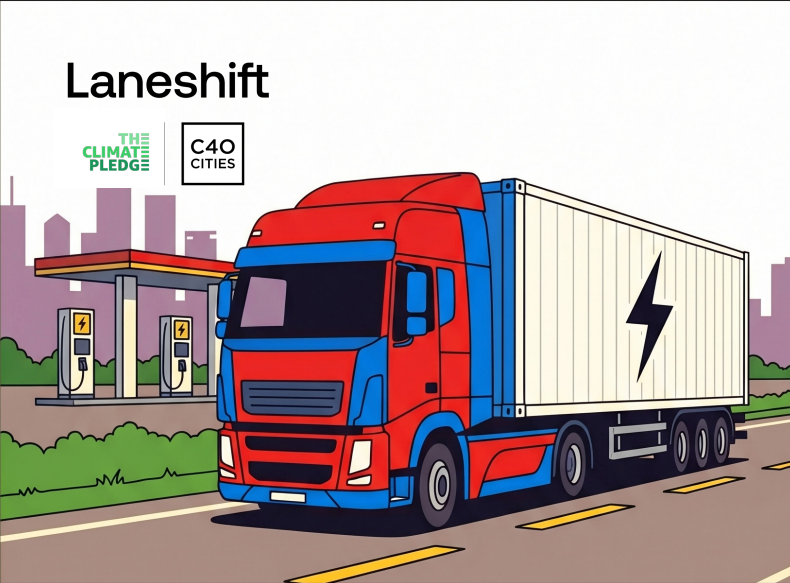
The Climate Pledge (TCP), co-founded by Amazon, today published India’s first evidence-based roadmap for shifting freight transport from diesel to zero-exhaust-emission battery electric trucks (BETs) in collaboration with C40 Cities (a network of around 100 cities worldwide working on climate action).
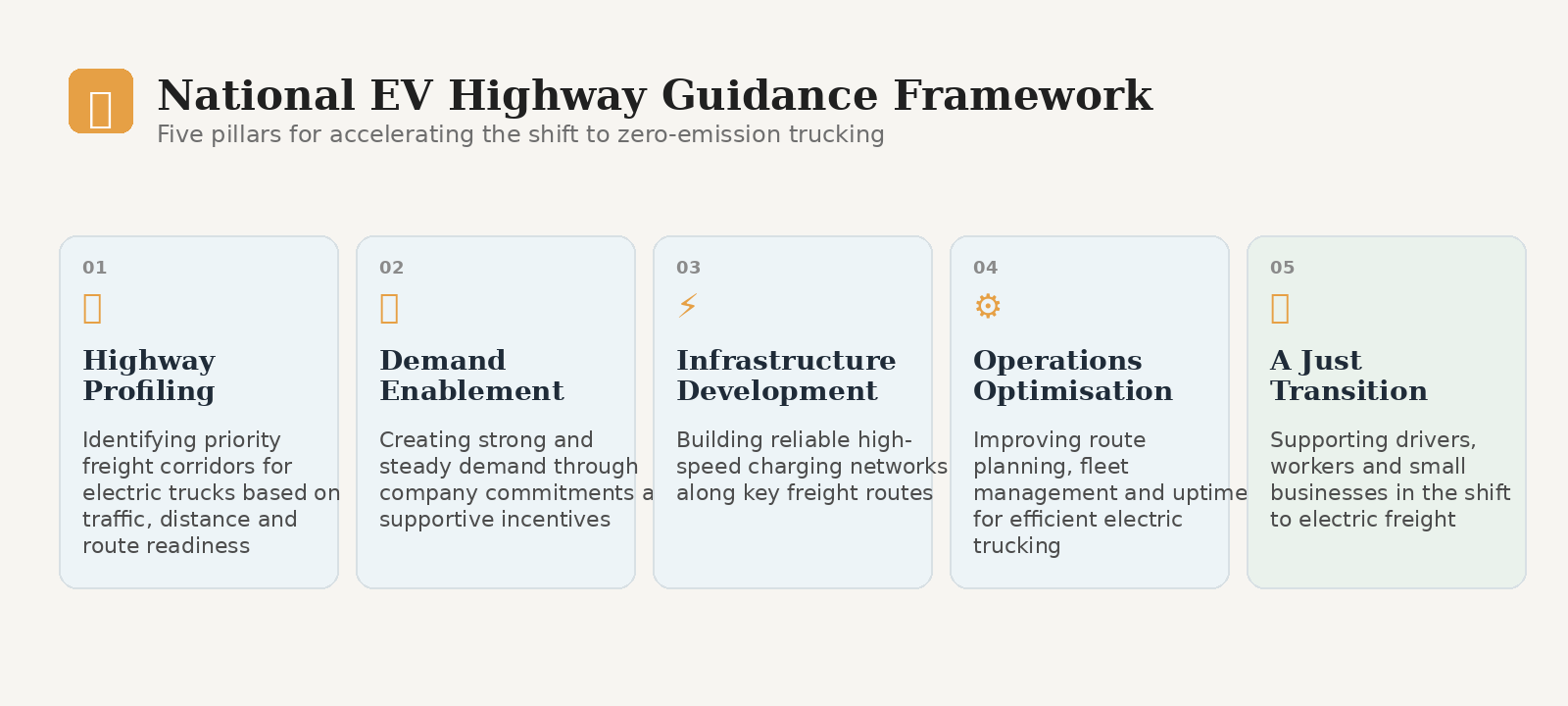
The National EV Highway Guidance Framework recommends a phased plan to electrify India’s busiest freight routes by 2027, beginning with 20 priority highways identified by the Ministry of Heavy Industries, expanding to industrial centres and ports and ultimately creating a seamless, EV-ready national freight network by 2035 (“Framework”).
India’s freight demand is expected to grow significantly in the coming years, increasing the need for cleaner transport solutions. Road transport already accounts for nearly 70% of goods movement in the country, while medium and heavy-duty trucks, despite making up just 3% of vehicles on the road, contribute around 53% of particulate emissions. With demand projected to grow over four-fold by 2050, scaling electric freight will be key to reducing emissions and improving efficiency. This Framework outlines practical pathways, aligned with the Government’s focus on electrification and sustainable mobility, and India’s commitment to achieving net-zero emissions by 2070.
“India’s transition to cleaner freight will require strong collaboration across government and industry. The EV Highway Guidance Framework launched under the Laneshift program today is an important step in this direction and will help create a scalable pathway for electric trucking in the country. Through the e-FAST India platform, NITI Aayog has been bringing together logistics operators, OEMs, energy providers, and financial institutions to build an enabling ecosystem for freight electrification. Building on these efforts, partnerships led by C40 Cities, The Climate Pledge, and private sector stakeholders such as Amazon and Ashok Leyland demonstrate how collaborative action can help move electric freight from pilots to large-scale deployment.” said Dr. O.P. Agarwal, Distinguished Fellow, NITI Aayog.
“We continue to invest in making our operations more sustainable, and electrifying our logistics is a key part of that effort. Through The Climate Pledge, we are also working with stakeholders to help scale electric freight solutions more broadly in India. The project findings and framework are encouraging, and reinforce the importance of continued collaboration between government and industry to accelerate adoption,” Abhinav Singh, VP, Operations, India and Australia, Amazon.
The Framework draws insights from Laneshift pilot project, led by C40 Cities and The Climate Pledge, by bringing together truck manufacturers, fleet operators, logistics providers, and financiers to test electric freight. As part of the project, electric trucks completed 600 trips on the Bengaluru–Chennai corridor, covering over 200,000 km across sectors, generating insights on performance, reliability and cost, and supporting early adoption through long-term contracts. To assess scalability, the project also undertook a 6,500-km pilot along the Golden Quadrilateral, connecting Delhi, Mumbai, Chennai, and Kolkata.
The Laneshift project demonstrated operational viability of electric freight across all use cases, and commercial viability for operations exceeding 400 km per day. The project saw 4.2-times increase in electric truck orders and the securing of long-term commercial contracts[1] , signaling growing market confidence.
“Decarbonizing freight is not a future ambition; it is an immediate economic and public health imperative for the country. Laneshift has shown that zero-exhaust-emission trucks can operate commercially on long-haul corridors, that costs are coming down, and that when the right stakeholders align their efforts, barriers give way. India has the scale, the policy momentum, and the industry appetite to be the next frontier,” said Naim Keruwala, Regional Director for South and West Asia at C40 Cities.
The Framework identifies key areas for action across infrastructure, demand, and operations. The full report is available at c40knowledgehub.org