One Line, Two Wins
Jai Raj Ispat made a technology bet to compete with Steel producing giants in India by being better rather than bigger, focusing on quality and cost as a strategy.
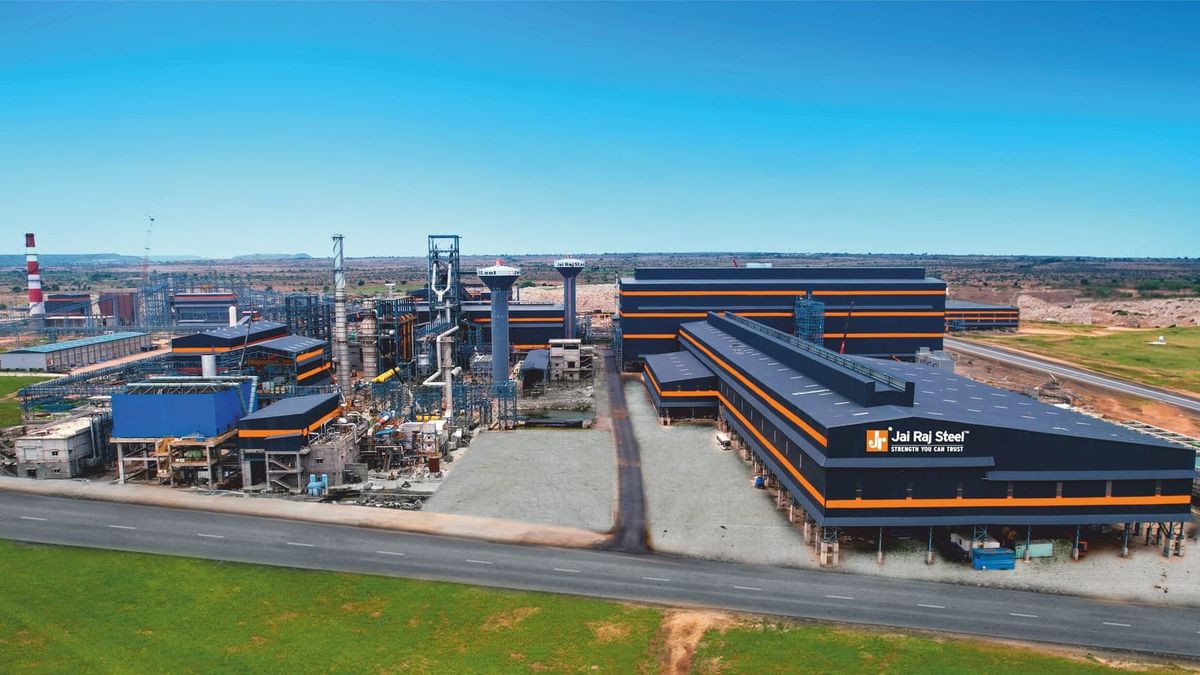
In a commodity business ruled by giants, Jai Raj Ispat's late entry into primary steel rests on a single bet: that one production line can make better steel and cheaper steel at once.
When Jai Raj Ispat set out to become a primary steel producer, it faced the question every late entrant to a commodity industry must answer: how do you compete with players many times your size? Tata Steel, JSW, JSPL, SAIL and AM/NS India were already entrenched, with the scale, brands and balance sheets of decades in the market. Undercutting them on price alone is a losing game; out-building them on capacity is not an option.
The company's answer was neither. It was a technology bet, and specifically a bet that one production line could deliver two advantages at once that the industry usually treats as a trade-off. "We asked ourselves how we compete with the big boys," says executive director Rajshree Jain. "The answer was to make a better product, and offer it at the same price, or even less, because we produce at a lower cost. Our focus has always been quality. We give customers parameters they don't even ask for; they tell us it doesn't need to be that good, but we want to give them the best TMT bar in the country." Quality and cost, from the same machine. That is the strategic core of the plant at Kurnool, and the reason it matters beyond one mid-size producer.
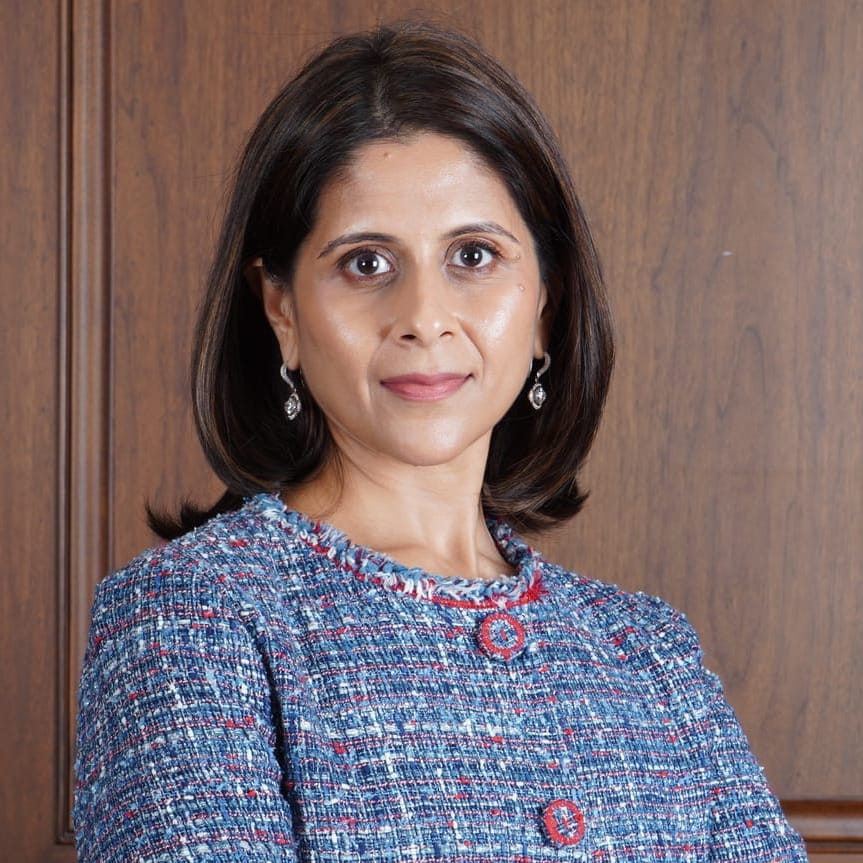
Rajshree Jain, executive director, Jai Raj Ispat
"The answer was to make a better product, and offer it at the same price, or even less, because we produce at a lower cost. Our focus has always been quality. We give customers parameters they don't even ask for; they tell us it doesn't need to be that good, but we want to give them the best TMT bar in the country."
Where the advantage comes from
At the heart of the integrated plant, built for over INR 2,100 crore, is the MIDA endless casting-and-rolling line, bought from Italy's Danieli, the first of its kind installed anywhere in Asia. Conventional TMT-making is a stop-start process: molten steel is cast into billets, the billets are cooled and cut, then reheated and rolled into bars. Each cooling-and-reheating cycle burns energy and introduces variability. The Danieli line removes the interruption entirely: liquid steel runs continuously from casting straight to the finished bar, with no cutting, cooling or reheating in between.
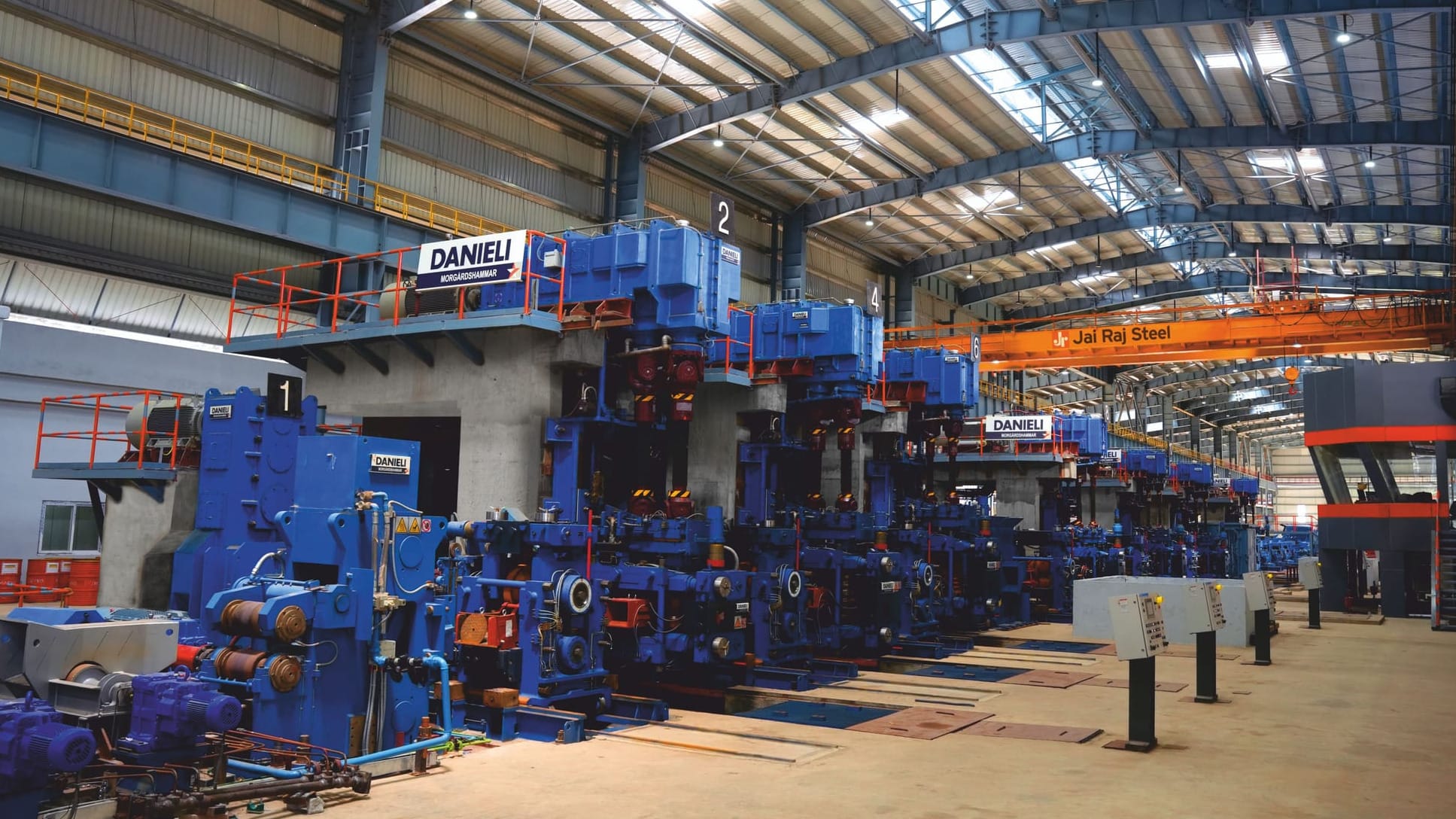
The strategic payoff is that this collapses the usual quality-versus-cost trade-off. Because the hot billet passes straight from the caster into the rolling stands at a stable, uniform temperature, keeping the heat of solidification with little loss, the bar forms a fine, even grain and holds consistent strength, yield and elongation along its whole length. That bar is sold as Jai Raj ATOOT Fe 550D, a high-strength, high-ductility reinforcement grade rated at a minimum 550 MPa yield strength, the "D" marking the enhanced ductility that suits seismic and demanding structural work, and it is rolled end to end on the line. That is the quality edge.
The cost edge comes from the same unbroken process. Because the billet is never cooled, cut and reheated, a whole stage of conventional production falls away: the reheating furnace and the fuel it burns, along with much of the handling and labour between casting and rolling, on a line that runs with almost no one on the rolling floor. That, the company argues, is what lets Jai Raj produce at a lower cost per tonne than far larger, integrated rivals. In a market where steel is bought largely as a commodity, matching the majors on price while beating them on quality, and still holding a margin, is a genuine competitive weapon.
A window, not a wall
But the company is clear-eyed that a technology advantage is a window, not a wall. The clearest proof the bet was right is also the warning that it will not last: Tata Steel has ordered the same technology for a plant in Punjab. "Any future steel plant will have to adopt it," Jain says. "For now, we're still enjoying the first-mover advantage." The strategic task, then, is to turn a temporary edge into something more durable before rivals catch up: brand trust, dealer relationships built over more than thirty years, project approvals across states, and the operating experience of running the line first. That head start on the learning curve may outlast the exclusivity of the technology itself.
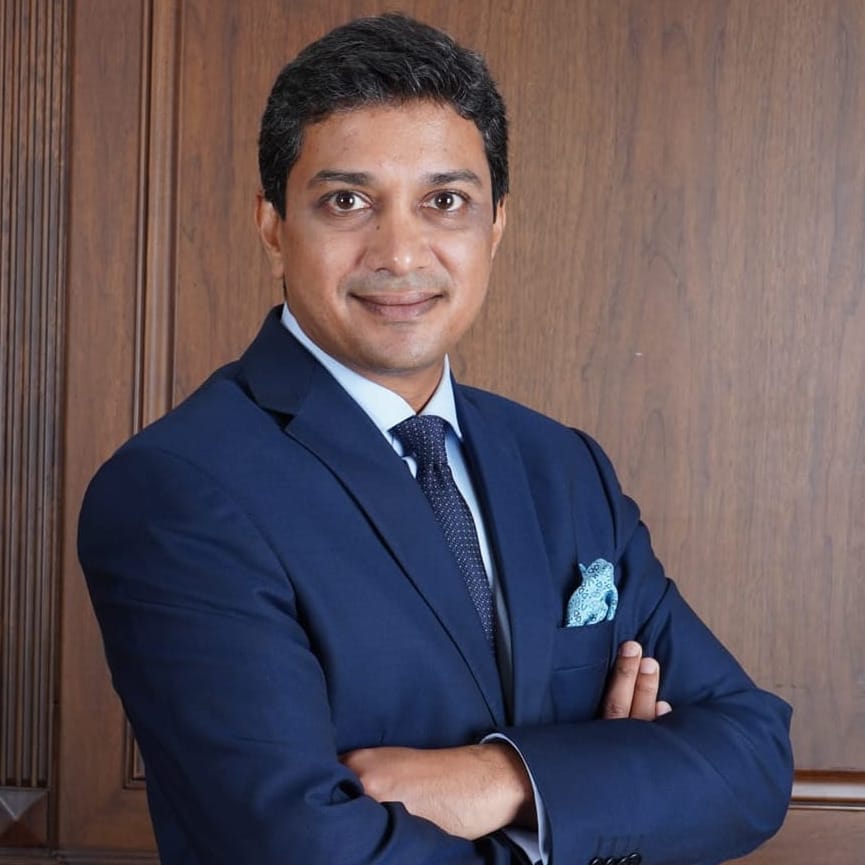
Siddharth Jain, executive director, Jai Raj Ispat
"It's a traditional industry, very few innovations come through. But every ten years or so there's a breakthrough, and when it comes, you can't survive without it. The sinter plant was one. Endless rolling is the current one, and in my mind it's the future: there's no other way to do it."
The Kurnool bet is not a one-off. It fits a four-decade habit that runs from the first automated rolling mill in South India, set up in 1993, through the Bellary sponge-iron plant, to the energy-optimising furnace chosen at Kurnool over a conventional converter despite its higher upfront cost, and the 45-acre rainwater lake that meets the plant's entire water need. Executive director Siddharth Jain frames the logic of a slow industry plainly. "It's a traditional industry, very few innovations come through," he says. "But every ten years or so there's a breakthrough, and when it comes, you can't survive without it. The sinter plant was one. Endless rolling is the current one, and in my mind it's the future: there's no other way to do it." Further out, he points to steelmaking with hydrogen rather than coal as the industry's likely next turn, though for now that remains a remote and largely theoretical prospect, years away and not yet on any Indian producer's plan, Jai Raj's included.
The runway is national. India is targeting 300 million tonnes of steel by 2030 and is roughly halfway there, leaving room for a producer that competes on capability rather than size. Jai Raj is funding its next phases, a coke oven and captive power for around INR 600 crore, then a further rolling mill for INR 400 crore, from internal accruals, with no near-term plans for an IPO. In an industry where the furnace itself has barely changed in a century, the company's wager is that the edge lies not in the steel you make, but in being first to change how you make it.