
SRIT plans INR 218 crore IPO, with INR 124 crore planned for working capital
SRIT India's proposed fresh issue has an upper-band ceiling of INR 218.4 crore. Its filed RHP allocates INR 124 crore to working capital and INR 12.86 crore to product modernisation; the residual amount remains subject to issue expenses and final allocation.
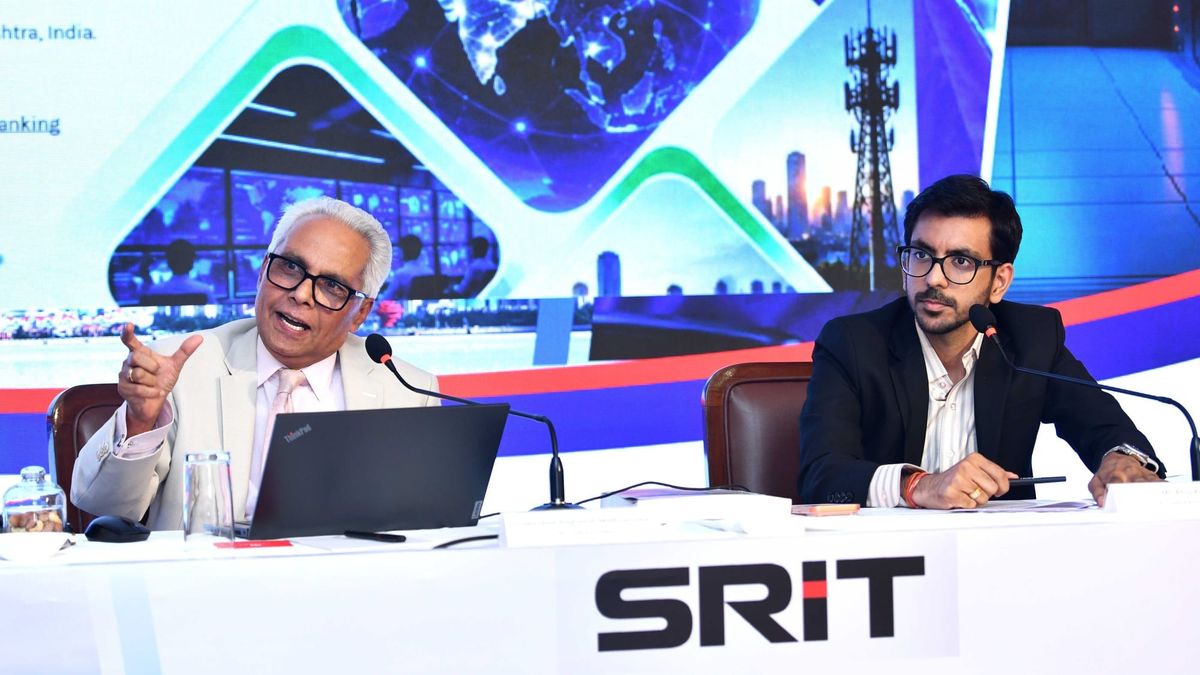
SRIT India plans to open bidding for its INR 218.4 crore initial public offering on September 28, with the issue scheduled to close on September 30. The offer comprises up to 1.68 crore new shares and no offer for sale by existing holders, according to its filed red herring prospectus.
At the announced upper price band of INR 130 a share, the fresh issue has a gross ceiling of INR 218.4 crore before offer expenses. The price band is INR 123–130, as stated in the supplied release and the lead manager's public offer page. The proceeds available to the company after expenses will be smaller than the gross issue size.
The RHP earmarks INR 124 crore for working capital and INR 12.86 crore for modernising existing products and redevelopment. Working capital alone represents about 56.8 per cent of the upper-band gross ceiling. The prospectus also identifies unidentified acquisitions, strategic initiatives and general corporate purposes, with the final residual amounts to be set after pricing and expenses. This is mainly a balance-sheet and execution-capacity financing story, not just a product-upgrade story.
The Bengaluru-based IT services company reports FY26 operating revenue of INR 450.00 crore and profit after tax of INR 43.29 crore. It also cites an outstanding order book of approximately INR 1,204.72 crore at June 30, 2026. An order book is prospective contracted work, not revenue already earned; revenue recognition and cash collection depend on project delivery and payment terms.
SRIT works on digital platforms in e-governance, telecommunications and broadband, and healthcare. The release did not specify identified acquisitions or how much of the remaining proceeds, after offer costs, would be committed to each residual object.