
Unlocking the Wisdom of the Ramayana
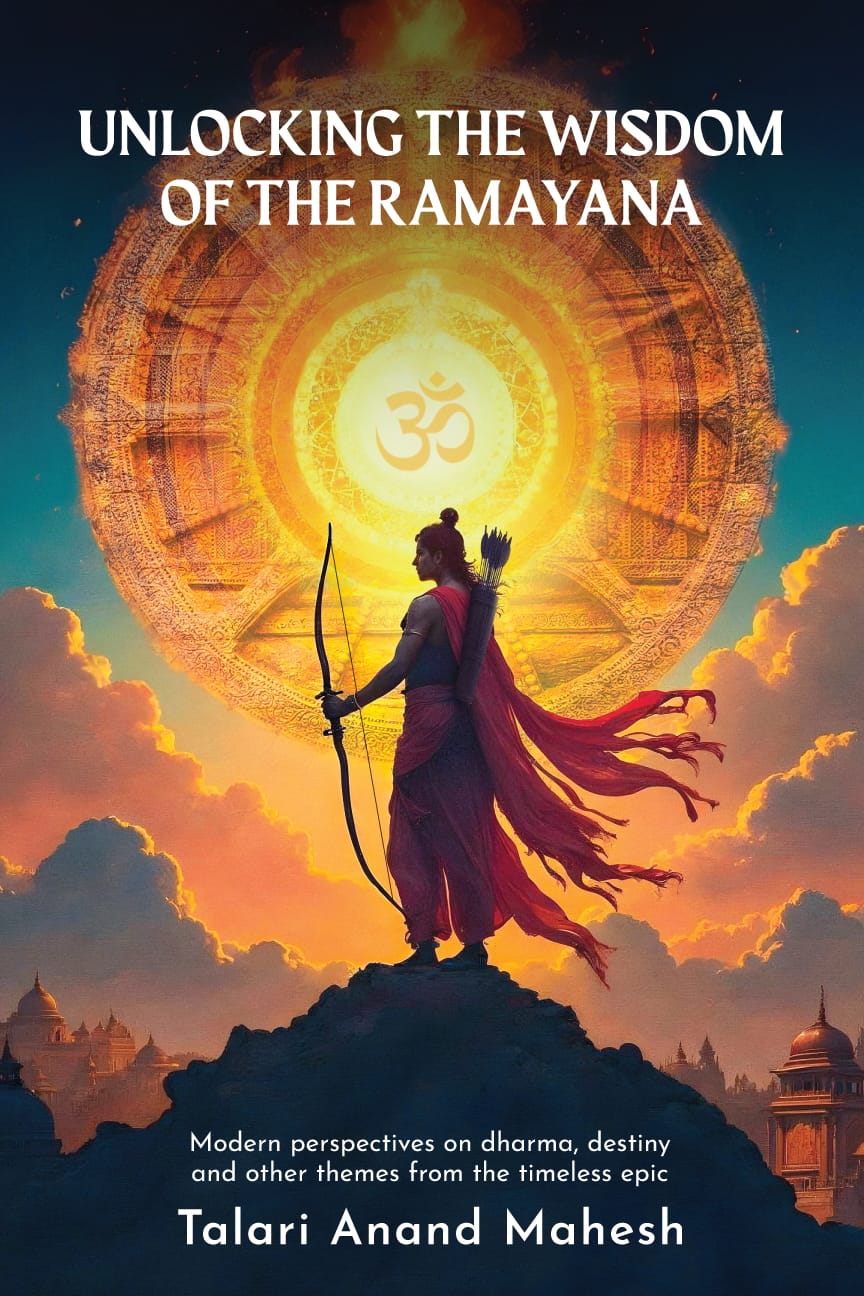
By Talari Anand Mahesh
Bizmudra had the unique opportunity to read and review the book, 'Unlocking the Wisdom of the Ramayana' by Talari Anand Mahesh, as well as have a discussion with the author for his insights into the book.
The book positions itself as a bridge between an ancient epic and contemporary lived experience. The book opens with a concise overview of the Ramayana, mapping Lord Rama’s journey across the major kandas—Ayodhya through Uttara—while briefly introducing central characters. This section functions as a primer, setting context rather than offering narrative depth.
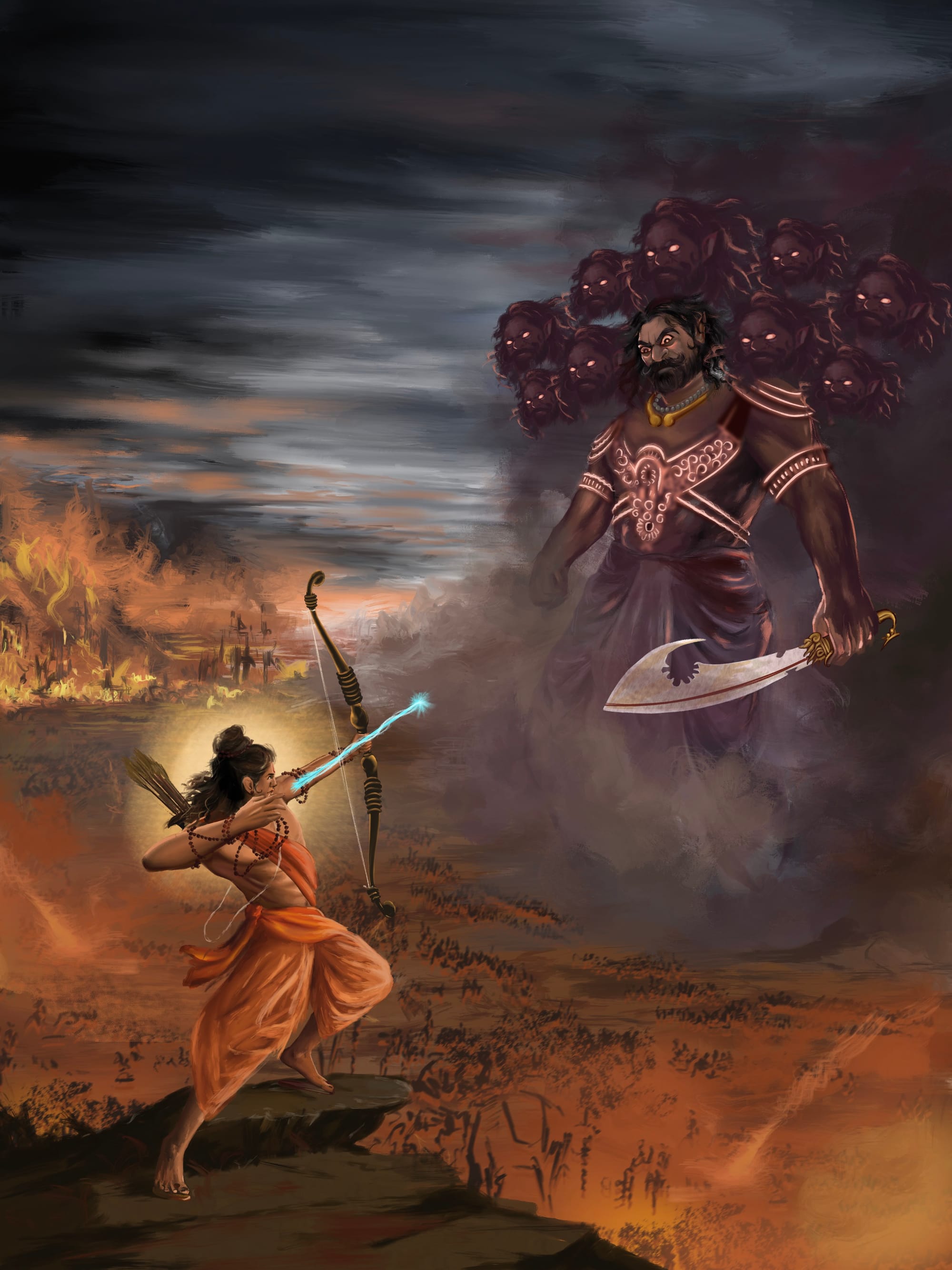
The substantive core lies in its thematic chapters, each drawing a specific lesson from the epic and translating it into modern relevance. The range is wide: from leadership and governance to personal ethics, emotional intelligence, and decision-making. Chapters such as 'Overconfidence kills: Lessons from Ravana’s greatest mistake', 'Leading with humility in a complex world', and 'Power of consultation' clearly signal the author’s attempt to align mythological episodes with corporate and personal frameworks. The recurring emphasis on values like dharma, restraint, resilience, and compassion reflects the author’s stated intent: to make the epic accessible, especially for younger audiences and professionals who may not engage with the original text.
One of the book’s strengths lies in its structure. The short, self-contained chapters make it modular and easy to navigate, lending themselves well to reflective or intermittent reading. The author’s instinctive selection of episodes, often including lesser-emphasised moments, adds freshness and avoids over-reliance on the most retold parts of the epic. There is also a clear effort to draw parallels with real-world behaviour, echoing the author’s own reflections on impulsive decision-making and its consequences.
However, this same approach can also feel reductive at times. The book makes the Ramayana easy to understand and apply, but in doing so, it sometimes simplifies, repeats, or narrows meanings that are originally far more complex and open-ended.
Overall, the book succeeds as an accessible, contemporary guide to extracting practical insights from the Ramayana. While it may not satisfy those seeking scholarly depth, it offers a structured and relatable entry point into the epic’s enduring wisdom, particularly for modern readers navigating personal and professional challenges.
Here is a glimpse into the mind of the author, Talari Anand Mahesh

Q1. What inspired you to write this book?
The book was conceived during the COVID-19 pandemic, a period marked by anxiety and reflection. As the author shares, “The inspiration to write, honestly, started while I was still reading it.” Engaging deeply with the Valmiki Ramayana led him to connect its themes with contemporary life. He notes, “We take many actions without pausing for even a moment to consider the ripple it might create,” underscoring the timeless relevance of its lessons. Ultimately, “That kind of timelessness is what kept pulling me progressively into the writing.”
Q2. Who is your target audience, and how do you plan to engage them?
The book is aimed at readers who are familiar with the Ramayana but have not explored its depth. As he explains, “Familiarity isn't the same as understanding, and that gap is precisely what I have tried to address.” The focus is particularly on younger generations: “I wanted to speak especially to Millennials, Gen Z and Gen Alpha readers.” Engagement is being driven through digital outreach and planned workshops, as he notes, “I have reached out through social media… and planned a workshop… with both Corporates and Students.”
Q3. How did you select the stories or episodes featured in the book?
The selection process was intuitive and driven by personal resonance. “The process was instinctive more than methodical,” he says. Rather than following a structured approach, he focused on moments that provoked reflection: “If a moment in the text triggered a reflection… that became a signal worth paying attention to.” Importantly, he emphasises lesser-known narratives, noting, “Those often held the richest material, precisely because nobody had been looking closely at them.”
Q4. Which character from the Ramayana inspires you the most, and why?
Hanuman serves as a personal benchmark for the author. As he humbly states, “In no way can I compare my personality to his; rather, he is an inspiration.” He highlights Hanuman’s initiative and courage: “He doesn't wait to be told. He simply acts.” Particularly compelling is his ability to exceed expectations: “That instinct to not just fulfill expectations but to ask yourself what else you can do… is the mark of extraordinary.” This inspiration has also led to his next project: “This has inspired me to write my next book on Lord Hanuman.”
Q5. Which value from the Ramayana is most relevant in today’s world?
The author identifies compassion as the most urgent value today. “Given everything happening in the world… I would say compassion.” He points out that compassion is reflected across characters, not just central figures: “These aren't grand, ceremonial gestures… but very personal choices.” He also highlights leadership lessons, stating, “The Ramayana… is as much a text on leadership and governance as it is a spiritual epic.” These principles, he suggests, remain highly relevant in addressing today’s global challenges.