JW Global proposes floating solar plant and AI data centre at Ujani Dam
JW Global is targeting 1,400 MW of data centre capacity by 2031 under a proposal that requires statutory, technical and environmental approvals.
JW Global Company presented its comprehensive development plan for the proposed integrated infrastructure project at Ujani Dam in Maharashtra. The company envisions the project as the first implementation of the SEED (Sustainable Eco-Enterprise District), aimed at establishing a new model for sustainable district development by integrating renewable energy, advanced digital infrastructure, artificial intelligence (AI)-driven innovation, and circular economic development.
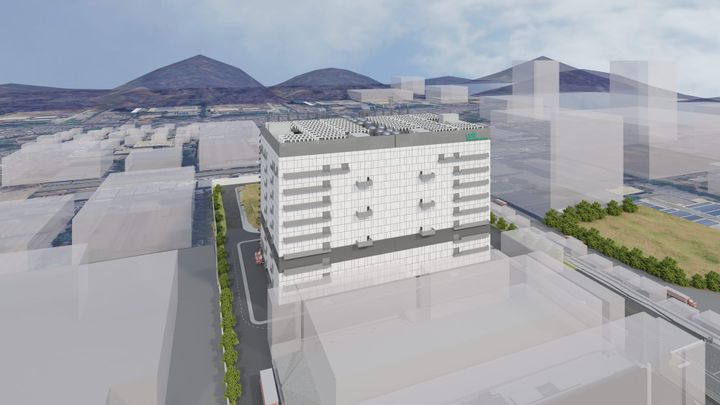
The project will comprise three major components: a 2,000 MW floating solar power generation facility spread across approximately 3,000 hectares of the Ujani reservoir, a 1,800 MW Battery Energy Storage System (BESS), and a 1,400 MW Artificial Intelligence (AI) and High-Performance Computing (HPC) data centre. The solar energy generated during the day will be utilised to meet the data centre's power requirements, with surplus energy stored in battery systems for use during night-time and periods of lower solar generation.
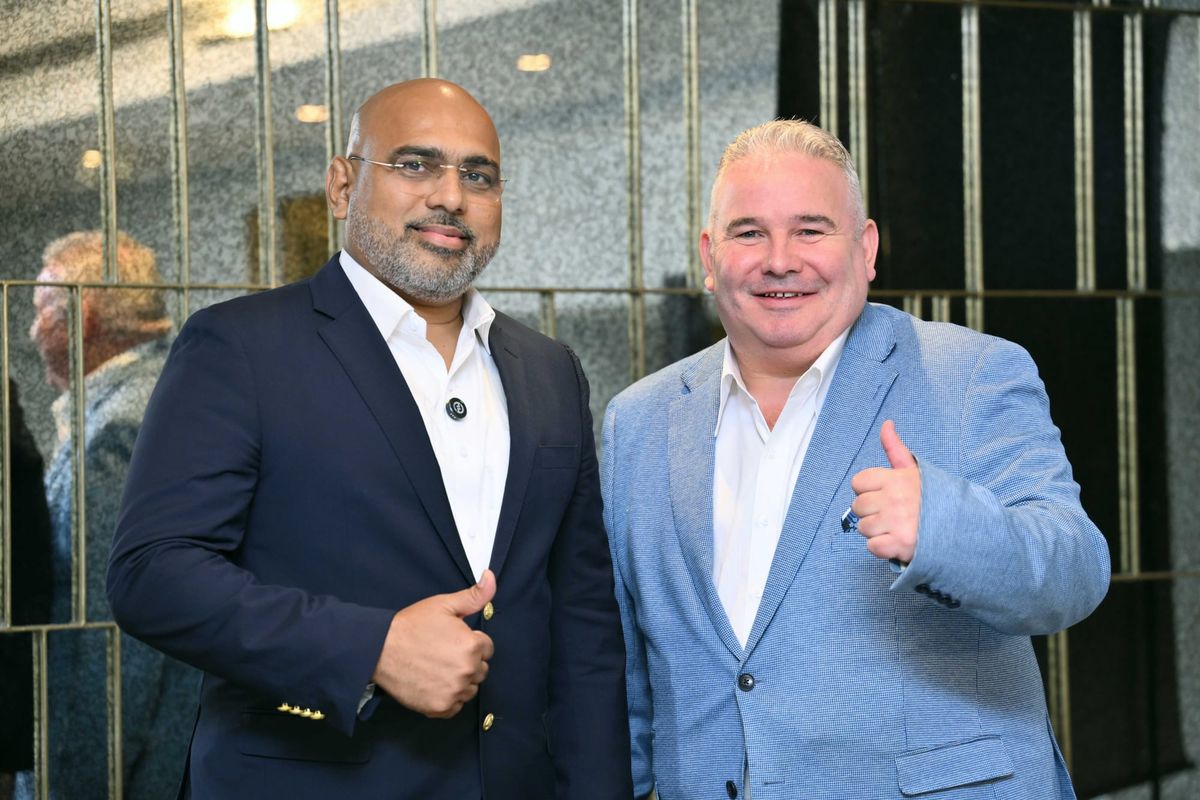
Speaking about the project's vision, Mr. Sanjay Waje, Director – Operations, JW Group, said, "The Ujani project represents an integrated approach to developing the infrastructure that will power India's next phase of digital growth. Our focus is on developing this project through a structured and phased approach, with due importance to environmental considerations, efficient water and energy management, and the interests of communities in the surrounding region. We also see significant potential for local employment, skill development and the growth of supporting businesses."
Added Mr. Mark Bailie, Global Director, JW Group, "The demand for AI computing, digital services and high-performance data infrastructure is growing rapidly across the world. India has an opportunity to build globally competitive digital infrastructure by integrating it with reliable and sustainable energy solutions. The SEED vision centers on this convergence."
The project is expected to generate approximately 2,800 permanent employment opportunities and around 40,000 direct and indirect jobs, including those associated with the construction phase, supply chain and supporting services.