
Oil companies reject E20 contamination claims, but the fuel-quality dispute is not over
India's state oil companies have rejected claims that E20 petrol is contaminated with corrosive chloride and moisture, saying nationwide tests found levels far below what automakers flagged, in the latest round of a public dispute over the fuel.
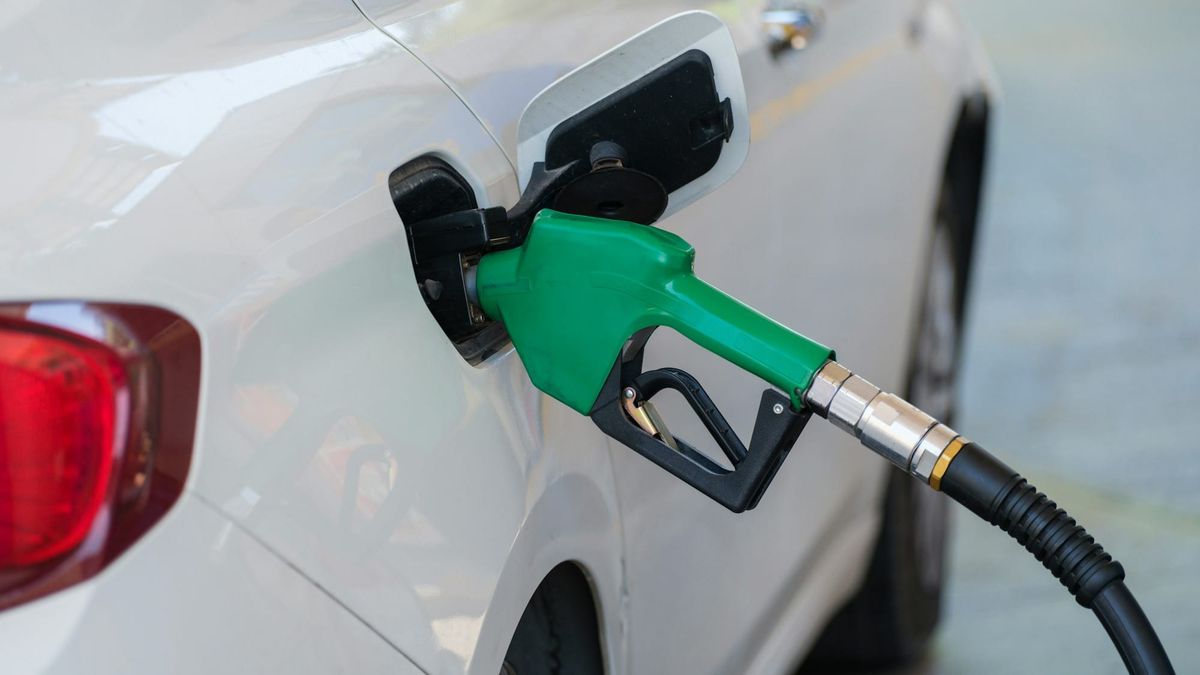
India's state oil companies have pushed back on claims that E20 petrol is contaminated with corrosive chloride and moisture, saying nationwide testing found chloride far below the hundreds of parts per million that automakers had flagged, in the latest round of a public dispute over the fuel.
E20, petrol blended with 20% ethanol, became the default at almost every Indian pump this year, and a wave of complaints, about mileage and, more seriously, about contamination damaging engines, has dented confidence in the government's flagship blending programme. How the quality question settles matters for millions of vehicle owners, the auto industry and a policy the Centre has staked on cutting oil imports.
The oil marketing companies said intensified testing across the supply chain, refineries, distilleries, depots and more than 160 retail-outlet samples, showed chloride of 0 to 3 parts per million, with only two isolated cases of elevated levels, since suspended and corrected, and no water ingress in checks at about 90,000 outlets. That, they said, contradicts claims of "several hundred ppm," and consumers should use E20 with confidence. The data is being posted on the Centre for High Technology's website.
The claims did not come from nowhere. In a late-July letter to the oil ministry, the automakers' body SIAM said fuel samples from vehicle tanks had shown chloride up to 500 ppm and outlet samples up to 350 ppm, against a recommended limit below 10 ppm, along with high moisture, and linked them to a rise in fuel-injector and pump replacements, urging mandatory chloride limits. SIAM later softened that stance, and the government maintains there is no evidence of widespread engine damage and that the mileage dip is small. But with automakers, motorists and the oil companies offering different readings, the dispute is far from settled.