Paras Defence unit signs INR 6,200 crore MoU for a chip-packaging plant in Madhya Pradesh
Paras Semiconductors, a wholly owned unit of the listed defence-engineering firm Paras Defence and Space Technologies, has signed a memorandum of understanding with the Madhya Pradesh government for a proposed INR 6,200 crore, about $644 million, outsourced assembly and test (OSAT) facility on the Indore-Ujjain corridor, the company said in an exchange filing.
The number is striking against the size of the company. Paras Defence has reported quarterly revenue of roughly INR 84 crore and net profit of about INR 15 crore, so a INR 6,200 crore commitment runs to many times its annual revenue, with no financing plan, partner or timeline disclosed. It is also the group second very large state MoU in months, after a INR 12,000 crore optics-park MoU with Maharashtra in January. As an MoU, this is a statement of intent; how, when and with whom it is funded is the story that decides whether it becomes real.
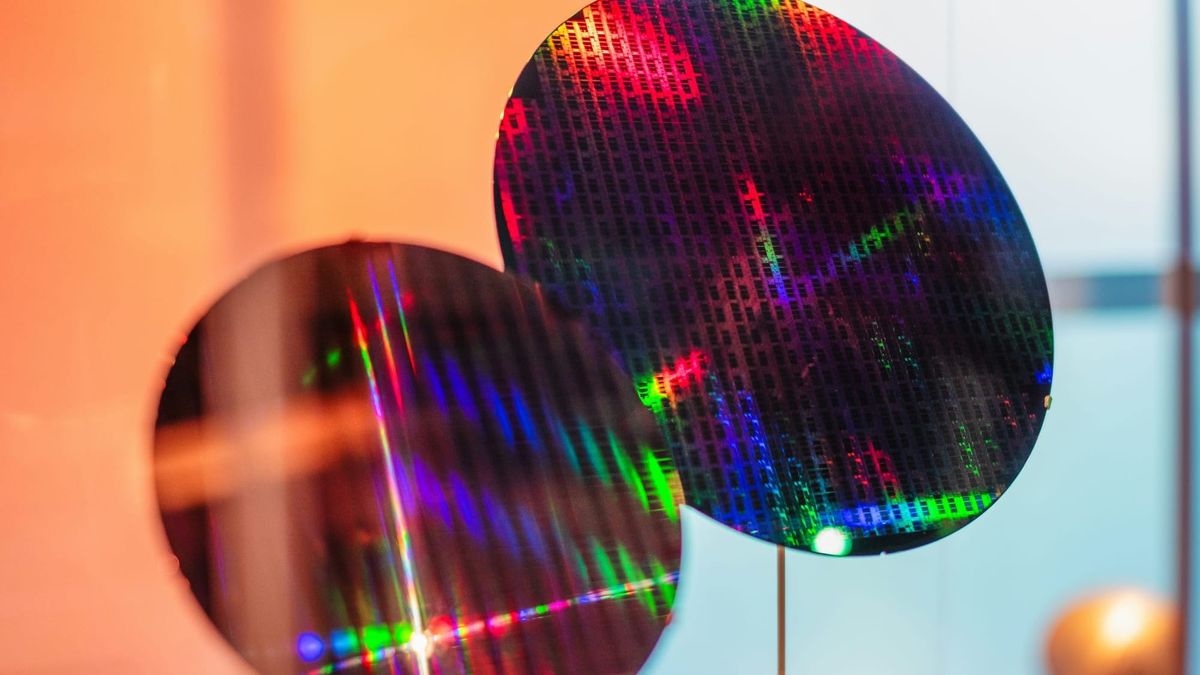
An OSAT plant packages, assembles and tests foundry-made chips rather than fabricating them. The company says the facility would handle advanced packaging and target semiconductor devices for strategic and sensor applications, with possible later expansion into AI chips. Madhya Pradesh has allotted 50 acres and cited its Semiconductor Policy 2025. Managing director Munjal Shah called the MoU a milestone in building indigenous capability.
No investment timeline or funding structure was disclosed.
The scale of the commitment stands out against Paras Defence’s own books. In the year to March 2026 the company reported consolidated revenue of about INR 477 crore and net profit of roughly INR 89 crore, on a net worth of about INR 640 crore, and it carries almost no debt, with a net cash position of around INR 34 crore. Its order book is about INR 986 crore. A INR 6,200 crore outlay is therefore roughly 13 times last year’s revenue, close to ten times net worth, more than six times the order book, and about equal to the company’s entire market value. With little cash on hand and minimal borrowings, the money would have to come almost wholly from new capital: equity, project debt, a partner or government incentives, none of which the company has disclosed.